

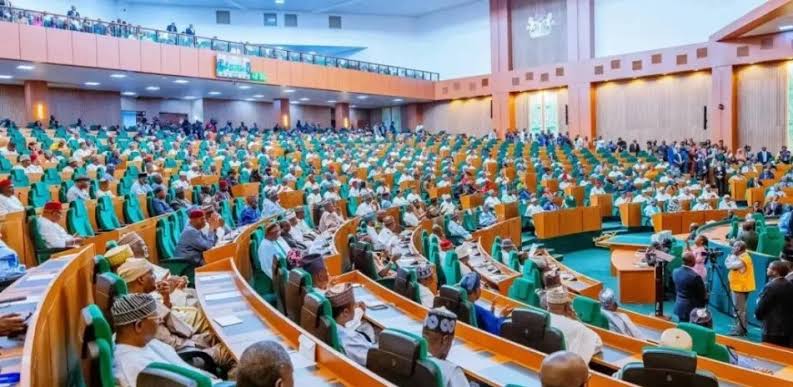
The House of Representatives has dismissed an appointment letter reportedly linked to Adeyemi and the Parliamentary Friendship and Inter-Parliamentary Cooperation (PFIPC), declaring that the document is not genuine and did not originate from the National Assembly’s authorised channels.
During proceedings, lawmakers described the purported appointment letter as “fake,” insisting that it has no official backing and should not be recognised as evidence of a valid appointment. The House maintained that all appointments associated with parliamentary committees, groups, or cooperation initiatives must follow established legislative procedures and receive the necessary approvals before taking effect.
The development follows questions surrounding the authenticity of the document and the process through which it was allegedly issued. Members of the House stressed that no individual or organisation should rely on unofficial correspondence to claim positions within institutions connected to the legislature.
Lawmakers also called for a thorough investigation into the origin of the disputed letter to determine how it was produced and circulated. They noted that protecting the integrity of parliamentary documents is essential to preserving public confidence in the National Assembly and preventing the misuse of its name or authority.
The issue is important because the authenticity of official documents is fundamental to transparency, accountability, and the proper functioning of public institutions. Cases involving disputed appointment letters can create administrative confusion, damage institutional credibility, and raise concerns about document verification and internal controls.
Governance experts have consistently emphasised the need for strict compliance with official appointment procedures and the use of verifiable documentation in all public service matters. They argue that prompt clarification of such disputes helps strengthen confidence in government institutions and reduces the risk of misinformation.
The House of Representatives, the lower chamber of Nigeria’s National Assembly, is responsible for lawmaking, oversight of government agencies, and ensuring accountability in public administration. As the matter unfolds, lawmakers are expected to determine the appropriate administrative or legal measures in line with parliamentary rules, while investigations into the disputed PFIPC appointment letter continue.


