

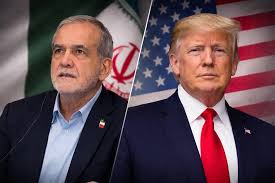
A major diplomatic breakthrough appears to be taking shape in the Middle East as Iran and the United States have reportedly agreed on the broad outlines of a draft ceasefire proposal that could redefine the region’s security architecture and ease months of escalating tensions.
According to the emerging framework, Iran has agreed to suspend uranium enrichment for a period of 15 years, with limited exceptions granted for research reactors dedicated to the production of medical isotopes. The proposal also provides for Iran’s existing stockpile of 60 per cent and 20 per cent enriched uranium to be partially converted into reactor fuel, while the remaining portion would be downblended to lower enrichment levels. Significantly, the nuclear material is expected to remain within Iranian territory under strict monitoring. Recent reports indicate that enrichment remains one of the most contentious issues in ongoing negotiations, with proposals ranging from 15 to 20 years of suspension.
The draft agreement further places all Iranian nuclear sites under full supervision of the International Atomic Energy Agency (IAEA), a move seen as an attempt to restore international confidence in Tehran’s nuclear programme and prevent future disputes over compliance.
In a development likely to have far-reaching economic implications, the proposal includes the reopening of the strategically vital Strait of Hormuz, one of the world’s most critical oil transit routes. The framework reportedly allows for the possibility of Iran collecting tolls from vessels passing through the waterway, a provision that may become a fresh point of international debate. The reopening of the strait has remained central to recent ceasefire discussions due to its direct impact on global oil supply and shipping security.
As part of the reciprocal concessions, the United States is expected to offer phased sanctions relief to Iran, alongside the unfreezing of Iranian assets held abroad estimated at over $20 billion. Analysts say this economic relief package could provide a significant boost to Iran’s struggling economy, which has faced years of crippling sanctions and financial isolation.
The draft also reportedly contains a far-reaching non-aggression pact between Washington and Tehran, which would be reinforced through a United Nations Security Council resolution and a treaty subject to ratification by the U.S. Congress. Such a commitment, if finalised, would mark one of the most consequential diplomatic agreements between the two nations in decades.
Perhaps the most dramatic provision in the proposal is the planned withdrawal of all U.S. military forces from the Persian Gulf, a move that could fundamentally alter the region’s balance of power and trigger new calculations among Gulf states and international allies.
Despite the optimism surrounding the draft, diplomatic sources caution that the proposal remains subject to further negotiations and formal approval by both governments. Recent reports suggest that while both sides have made progress, major technical and political disagreements still persist.
If adopted, the agreement could represent a watershed moment in Middle Eastern diplomacy, offering a rare pathway from confrontation to cautious coexistence.


