

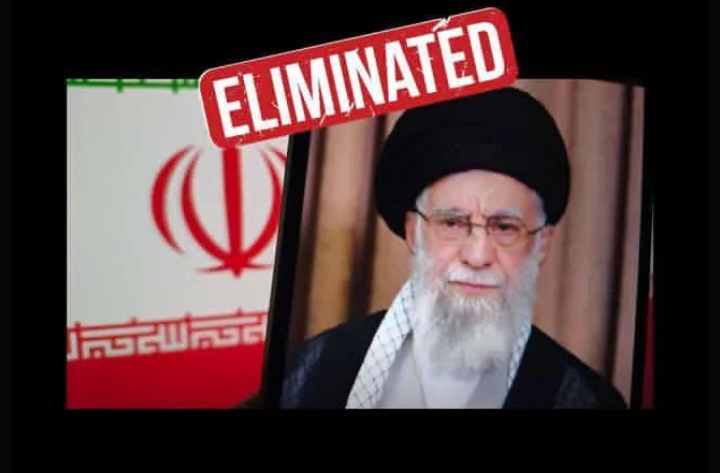
Tehran / Washington / Jerusalem — Ayatollah Ali Khamenei, the Supreme Leader of the Islamic Republic of Iran since 1989, has reportedly been killed in a coordinated military operation by the United States and Israel, marking a dramatic escalation in a decades-long confrontation between Tehran and Western powers.
Multiple major international news agencies and officials — including U.S. President Donald Trump and senior Israeli sources — reported that Khamenei died in a joint air strike campaign targeting Iran’s political and military command infrastructure. Iranian state media also broadcast confirmation of his death and announced an extended period of national mourning.
The Operation
According to the latest reporting:
- U.S. and Israeli forces launched a series of powerful strikes across Iran early Saturday, targeting leadership compounds, command centers, and strategic military facilities in Tehran and other provinces.
- President Trump publicly declared that Khamenei was among the leaders killed, describing the strike as a blow against what he called “one of the most evil people in history,” and framing the attack as a decisive move against Iranian terrorism and regional destabilization.
- Israeli Prime Minister Benjamin Netanyahu said there were “many signs” that the supreme leader was no longer alive, and Israeli officials later said his body had been located.
Khamenei’s death — if fully verified independently — would represent the most significant leadership loss for Tehran in decades, removing a figure who had dominated Iranian politics, military strategies, and foreign policy since the end of the Iran-Iraq War.
Context: Decades of Contention and Terrorism Allegations
Khamenei’s tenure was marked by longstanding tensions with the United States and Israel. As Iran’s highest authority — with ultimate control over the state’s armed forces and political apparatus — he was widely accused by Western governments of directing Iran’s support for militant proxy groups such as Hamas, Hezbollah, and other factions engaged in conflicts throughout the Middle East. Critics also blamed him for backing attacks on Western and allied interests across the region, contributing to cycles of violence and regional instability.
Although Tehran had engaged at times in diplomatic negotiations, including over its nuclear program, relations with Washington and its allies deteriorated sharply in recent years. Previous confrontations included proxy conflicts in Syria and Lebanon, cyber and missile incidents, and a direct military exchange between Israel and Iran-aligned forces in 2025.
Immediate Impact and Regional Response
The reported death has already triggered swift retaliatory actions by Iranian forces, including missile and drone strikes on U.S. and Israeli positions in the wider Middle East — a move that risks dragging multiple countries deeper into the conflict.
Iranian authorities declared a 40-day national mourning period and vowed “severe punishment” for those responsible, while world leaders and international organisations expressed alarm at the potential for a wider regional war.
Broader Significance
Analysts warn that Khamenei’s removal could reshape Middle Eastern geopolitics, destabilise Iran’s internal power structures, and prompt unpredictable reactions from Tehran’s network of regional allies. The Islamic Revolutionary Guard Corps (IRGC) — a powerful military and political force within Iran — is expected to play a decisive role in what comes next.
Succession within Iran’s theocratic system is prescribed by its constitution, but the sudden elimination of a supreme leader under combat conditions raises profound uncertainty about Iran’s future direction, both domestically and in its foreign engagements.
Call for De-Escalation
International figures, including diplomats and United Nations representatives, have urged both sides to pursue restraint and avoid a full-scale regional conflict. They stress that military escalation threatens civilian populations and global security.
Note: This report is based on early and rapidly evolving news coverage. Independent verification continues to be sought, and details — particularly regarding the circumstances of Khamenei’s death — may be updated as more information becomes available.


