

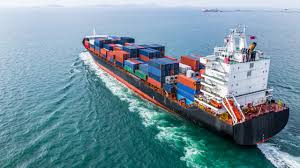
Global shipping and trade networks are experiencing significant disruptions, raising concerns about supply chain stability and the broader impact on the world economy.
Key maritime routes, including the Red Sea and the Suez Canal, have faced intermittent challenges due to geopolitical tensions and security concerns. These disruptions have forced major shipping companies such as Maersk and MSC to reroute vessels, leading to longer transit times and increased shipping costs.
The ripple effects are being felt across global trade, with delays in the delivery of goods ranging from raw materials to finished products. Industries reliant on just-in-time supply chains, including manufacturing and retail, are particularly vulnerable as logistics bottlenecks continue to mount.
In Asia, congestion at major ports in China has compounded the situation, slowing exports and contributing to global supply shortages. Similarly, labor disputes and operational constraints in parts of United States and United Kingdom have added pressure to already strained logistics systems.
The disruptions have also triggered a surge in freight rates, increasing the cost of doing business for importers and exporters worldwide. For developing economies like Nigeria, the impact is particularly pronounced, as higher shipping costs translate into increased prices for essential goods and heightened inflationary pressures.
Experts warn that prolonged instability in global shipping lanes could reshape trade patterns, with companies exploring alternative routes and regional supply chains to reduce risk. However, such adjustments may take time, leaving businesses and consumers to navigate ongoing uncertainty.
As governments and international stakeholders work to stabilize trade routes and ensure maritime security, the resilience of global supply chains remains under close scrutiny in an increasingly interconnected world.


