

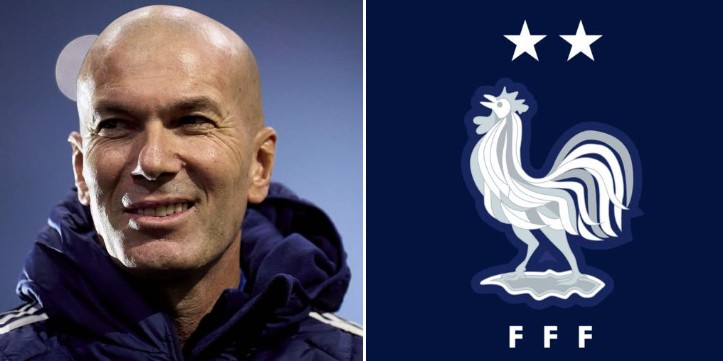
The French Football Federation (FFF) is reportedly preparing to offer football legend Zinedine Zidane a salary above the current government-imposed limit for national team coaches as it intensifies efforts to appoint him as the next manager of the French national team.
According to French sports daily L’Équipe, the federation is seeking a special exemption from the country’s Ministry of Sports that would allow it to pay Zidane more than the existing salary ceiling of €450,000. The request is expected to receive approval without significant obstacles, clearing the way for one of the most anticipated managerial appointments in international football.
The move underscores the federation’s determination to secure the services of the former France captain, who has long been regarded as the leading candidate to take charge of Les Bleus. Zidane remains one of the most respected figures in world football, both for his achievements as a player and his remarkable success as a coach.
As a manager, Zidane enjoyed an extraordinary spell at Real Madrid, guiding the Spanish giants to three consecutive UEFA Champions League titles between 2016 and 2018—an achievement unmatched in the modern era of the competition. He also won multiple domestic and international trophies, earning widespread acclaim for his tactical acumen, leadership and ability to manage elite players.
His reputation has made him one of the most sought-after coaches in world football, despite remaining out of management since ending his second spell at Real Madrid. Throughout that period, Zidane has repeatedly been linked with the France national team, with many supporters viewing him as the natural successor to the current coaching regime.
Reports indicate that the French Football Federation considers Zidane’s appointment a strategic investment aimed at maintaining France’s position among the world’s elite football nations. Officials reportedly believe his experience, winning mentality and deep understanding of French football would provide continuity and inspire a new generation of players.
The proposal to exceed the existing salary cap has also sparked debate in France. Supporters argue that exceptional candidates require competitive remuneration, particularly when they possess a proven record of success at the highest level. They contend that securing one of football’s most accomplished coaches would justify the financial commitment.
Critics, however, have questioned whether public-sector salary regulations should be relaxed for sporting appointments, insisting that transparency and accountability must remain central to decisions involving publicly regulated institutions.
Sports governance experts note that exemptions to salary limits are not unprecedented where exceptional circumstances exist, particularly if the move is considered to be in the national interest or necessary to attract world-class expertise.
Although neither the federation nor Zidane has officially confirmed an agreement, expectations continue to grow that the former World Cup winner could soon assume one of the most prestigious coaching positions in international football.
Should the Ministry of Sports approve the exemption, the French Football Federation would be free to finalise contractual negotiations, potentially ushering in a new era for the national team under one of the country’s greatest football icons. Fans and football analysts alike will be closely watching developments, with many believing Zidane’s arrival could further strengthen France’s ambitions of competing for major international honours in the years ahead.


