

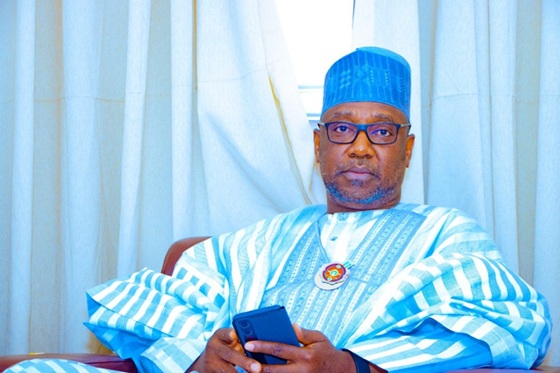
Former Governor of Niger State and Senator representing Niger North, Abubakar Sani Bello, has called on governments at all levels, educational institutions, corporate organisations and private individuals to prioritise funding education, describing it as a strategic investment in Nigeria’s long-term development rather than a recurring expenditure.
Bello made the appeal while addressing stakeholders at an education-focused event, where he emphasised that sustainable investment in learning remains one of the most effective ways to promote economic growth, social stability and national progress.
According to the former governor, countries that have achieved lasting development have consistently invested in quality education, recognising it as the foundation for innovation, productivity and human capital development.
He argued that allocating adequate resources to schools, universities and vocational institutions should not be viewed as a financial burden but as an essential investment that yields long-term benefits for society.
“Funding education is not an expenditure; it is an investment in the future of our nation,” Bello said, urging policymakers to adopt a long-term perspective in budgeting for the education sector.
The senator stressed that a well-funded education system equips young people with the knowledge, technical skills and critical thinking abilities required to compete in an increasingly knowledge-driven global economy. He added that improved access to quality education also contributes to reducing poverty, unemployment and social inequality.
Bello further called for stronger partnerships between government, the private sector, development organisations and philanthropic individuals to bridge existing funding gaps and improve educational infrastructure across the country.
He noted that while government remains the primary provider of public education, achieving meaningful reforms requires collective participation from all sectors of society. Such collaboration, he said, can support the construction of classrooms, provision of learning materials, teacher development programmes and scholarships for disadvantaged students.
The former governor also highlighted the importance of investing in teachers, describing them as the backbone of every successful education system. He urged authorities to improve teachers’ welfare, provide continuous professional development and create an enabling environment that promotes effective teaching and learning.
Education experts have consistently maintained that increased investment in the sector is essential to addressing challenges such as inadequate infrastructure, overcrowded classrooms, shortages of qualified teachers and limited access to modern learning technologies.
Analysts note that Nigeria’s growing youth population makes sustained investment in education even more critical. They argue that strengthening human capital through quality education will enhance national productivity, attract investment and improve the country’s global competitiveness.
Civil society organisations have likewise advocated increased education funding, urging governments to meet national and international benchmarks for budgetary allocation to the sector. They emphasise that adequate financing should be accompanied by transparency, accountability and efficient utilisation of public resources to achieve meaningful outcomes.
Bello concluded by encouraging Nigerians to regard education as a shared national responsibility capable of transforming communities and driving sustainable development. He maintained that every investment made in educating young people ultimately strengthens the nation’s future.
His remarks have renewed calls for greater commitment to education financing as stakeholders continue to seek lasting solutions to the challenges facing Nigeria’s education sector and efforts to prepare future generations for the demands of a rapidly changing world.


