

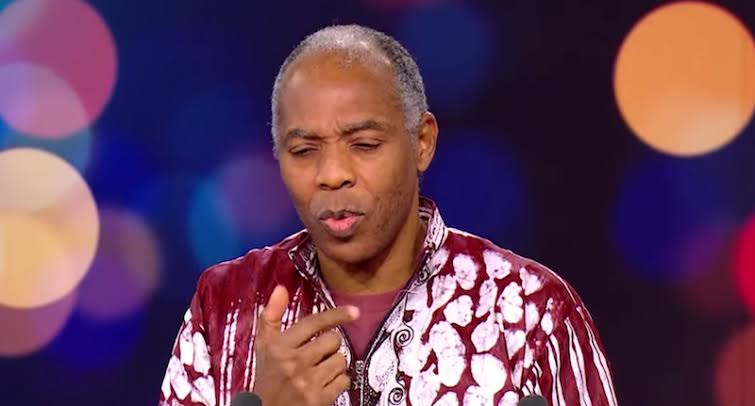
Afrobeat musician Femi Kuti has offered his perspective on Nigeria’s political and economic challenges, arguing that the country’s problems cannot be attributed solely to President Bola Ahmed Tinubu.
The Grammy-nominated musician reportedly made the remarks while discussing governance and the longstanding difficulties facing Nigerians.
“It’s not Tinubu,” Kuti was quoted as saying, suggesting that Nigeria’s challenges are rooted in deeper systemic and institutional problems that have existed across successive administrations.
His position has generated discussion because public debate about Nigeria’s current economic difficulties frequently focuses on the policies and performance of the Tinubu administration.
Since assuming office in May 2023, Tinubu’s government has introduced major economic reforms, including the removal of the petrol subsidy and changes affecting the foreign exchange market. The measures have been defended by the administration as necessary steps toward reforming the economy, but they have also contributed to significant public debate over inflation and the rising cost of living.
Kuti’s comments shift attention toward broader questions about governance, institutions and the continuity of policies across different political administrations.
The musician has long been known for using his music and public platform to comment on political and social issues in Nigeria. His views often reflect the tradition of activism associated with his father, legendary Afrobeat pioneer Fela Anikulapo-Kuti.
The latest remarks are important because Nigeria’s development challenges predate the current administration. Issues such as unemployment, insecurity, inadequate infrastructure, corruption and weak public institutions have featured in national discussions for decades.
Attributing these problems to a single administration can therefore overlook the historical and structural factors that have contributed to them.
However, the Tinubu administration remains responsible for its own policies and their consequences, meaning debates over current economic conditions are likely to continue.
Nigeria, Africa’s most populous country, has substantial natural and human resources but continues to face difficulties translating those advantages into broad-based economic prosperity.
Kuti’s comments have consequently added another perspective to the national conversation about accountability and governance.
As Nigerians continue to debate the country’s economic and political direction, the discussion is likely to involve both the immediate decisions of the Tinubu government and the deeper institutional challenges that have persisted across different administrations.


