
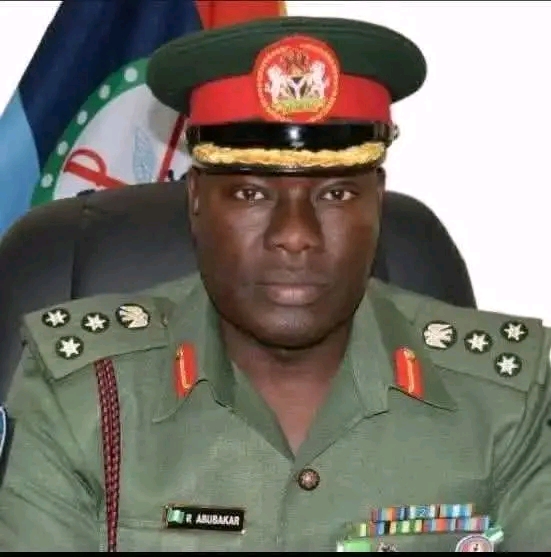
The death of Retired Major General Rabe Abubakar in captivity is more than a personal tragedy for his family or a painful loss for Katsina State. It is a stark indictment of a security architecture that too often reacts to terrorism after the damage has already been done.
According to the Katsina State Government, the retired military officer died while in captivity despite efforts by government and security agencies to secure his freedom. While the official statement attributes his death to complications arising from diabetes and hypertension, the fundamental question remains: Why was a retired Major General allowed to remain in terrorist captivity in the first place?
For years, Nigerians have been told that security agencies possess intelligence on terrorist hideouts, bandit enclaves, supply routes, and informant networks. Yet communities continue to be attacked, villages continue to be overrun, highways remain unsafe, and citizens are abducted with alarming regularity. If the intelligence exists, why is decisive action often delayed until after lives have been lost?
The unfortunate reality is that Nigeria’s security response frequently appears reactionary rather than preventive. Terrorists strike first; security forces respond later. Communities raise alarms; authorities arrive after the attackers have disappeared. Kidnappings occur; negotiations and rescue efforts follow. This pattern has repeated itself so often that many Nigerians have begun to question whether the country’s vast intelligence resources are being translated into effective operational action.
Counterterrorism experts across the world agree on one principle: the most successful security operations are those that prevent attacks before they happen. Intelligence gathering is only half the battle. The other half is swift, coordinated, and decisive action against identified threats.
The death of Major General Rabe Abubakar should therefore serve as a national wake-up call. If a retired General—someone who dedicated his life to the defence of the nation—could be abducted and held by terrorists, what hope exists for ordinary citizens in vulnerable communities across the country?
This tragedy also exposes a deeper concern. Terrorist groups and heavily armed criminal gangs appear increasingly emboldened because they have learned to exploit the gap between intelligence and action. Every successful abduction, every attack on a community, and every assault on security personnel reinforces the perception that the state is perpetually responding rather than leading.
No nation can win a war against terrorism by constantly remaining on the defensive. The initiative must be seized from the enemy. Terrorist camps must be dismantled before attacks are launched. Logistics networks must be disrupted before weapons are delivered. Financiers and collaborators must be neutralized before they strengthen criminal operations.
The Katsina State Government has rightly described the death of the retired General as a dark moment. But beyond mourning, the nation must confront uncomfortable truths. Condolences, while necessary, cannot substitute for a comprehensive reassessment of security strategy.
The loss of Major General Rabe Abubakar should not become just another statistic in Nigeria’s long and painful struggle against terrorism. It should compel policymakers, military commanders, intelligence agencies, and political leaders to answer a simple but urgent question: If we know where the terrorists are, what exactly are we waiting for?
Until Nigeria shifts decisively from reaction to prevention, the nation risks continuing to lose brave soldiers, respected statesmen, and innocent civilians to a threat that should long ago have been placed on the back foot.
May the soul of Major General Rabe Abubakar rest in peace, and may his death strengthen the nation’s resolve to finally confront terrorism with the urgency and decisiveness it demands.
EDITORIAL: The Tragic Death of Major General Rabe Abubakar and the Cost of Nigeria’s Reactionary Security Strategy

- Advertisement -

