

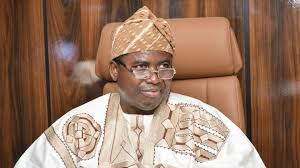
The Chairman of the Independent National Electoral Commission (INEC), Joash Amupitan, has revealed that his decision to accept the leadership of Nigeria’s electoral body was guided by what he described as a “clear divine conviction.”
Speaking at a recent engagement, Prof. Amupitan said he initially approached the offer with caution, fully aware of the enormous responsibilities and expectations attached to the office. However, he noted that a strong personal belief that he would be strengthened and guided in the role ultimately influenced his decision to accept the position.
“I accepted this responsibility only after a clear conviction that God would strengthen and help me in office,” he stated, underscoring the moral and spiritual dimension of his leadership approach.
His remarks come at a time when INEC remains under intense public scrutiny, particularly following debates around electoral transparency, credibility, and technological efficiency in Nigeria’s democratic process. As the body responsible for conducting elections at all levels, INEC plays a central role in shaping public confidence in governance and political legitimacy.
Amupitan acknowledged the weight of expectations placed on the commission, describing the task of overseeing elections in a country as large and complex as Nigeria as both challenging and critical. He emphasized the need for integrity, accountability, and institutional resilience in delivering credible elections.
Observers note that references to faith and divine guidance are not uncommon among Nigerian public officials, reflecting the country’s deeply rooted religious culture. However, such statements often generate mixed reactions, especially when tied to roles that require strict neutrality and adherence to constitutional principles.
Supporters of the INEC chairman have interpreted his comments as an expression of humility and a recognition of the enormity of the task ahead. They argue that moral conviction can serve as a foundation for ethical leadership, particularly in institutions tasked with safeguarding democracy.
Critics, however, caution that while personal beliefs are important, the effectiveness of the electoral body will ultimately be judged by measurable outcomes—such as the transparency of electoral processes, the reliability of voting systems, and the fairness of results.
“Faith can inspire leadership, but institutions must function on systems, rules, and accountability,” a political analyst remarked.
In recent years, INEC has introduced reforms aimed at improving electoral processes, including the deployment of technological tools for voter accreditation and result transmission. While these efforts have been praised in some quarters, they have also faced challenges, including technical glitches and allegations of irregularities during elections.
Amupitan reiterated his commitment to strengthening the commission and ensuring that it meets the expectations of Nigerians. He called for cooperation from political parties, civil society, and citizens, stressing that credible elections are a collective responsibility.
As Nigeria moves closer to another election cycle, the spotlight will remain firmly on INEC and its leadership. The commission’s ability to deliver free, fair, and transparent elections will not only shape political outcomes but also influence public trust in democratic institutions.
For many Nigerians, the chairman’s words signal both a personal commitment and a broader challenge—one that goes beyond belief and demands tangible results in the pursuit of credible governance.


