

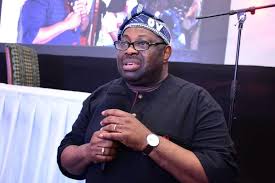
Veteran journalist, publisher, and politician Dele Momodu has predicted that the 2027 presidential election could present a significant challenge for President Bola Ahmed Tinubu, arguing that a united opposition stands a strong chance of defeating the incumbent administration.
Momodu made the remarks while discussing Nigeria’s evolving political landscape and the growing conversations surrounding the next general elections. His comments have sparked reactions among political stakeholders, supporters of the ruling All Progressives Congress (APC), and opposition groups already positioning themselves ahead of the 2027 polls.
According to Momodu, the outcome of the next presidential election will largely depend on the ability of opposition parties and political leaders to build a formidable coalition capable of presenting a credible alternative to the current administration.
The media entrepreneur and former presidential aspirant suggested that widespread public dissatisfaction over economic challenges could influence voter decisions if opposition forces successfully channel public sentiment into a coordinated political movement.
“If the opposition gets its act together, the political equation could change dramatically,” Momodu reportedly stated while assessing the prospects of the ruling party and its rivals.
His comments come amid increasing political activity across the country as politicians, interest groups, and party leaders begin laying the groundwork for the 2027 electoral contest. Although the election remains years away, discussions about potential alliances and candidates have already intensified.
President Tinubu, who assumed office in May 2023, has implemented a series of economic reforms that supporters describe as necessary for long-term growth. These include the removal of fuel subsidies, foreign exchange reforms, and efforts to increase government revenue and attract investment.
However, the reforms have also generated criticism due to their short-term impact on living costs. Rising inflation, increased transportation expenses, and higher food prices have fueled public debates about the pace and effectiveness of economic recovery efforts.
Momodu argued that economic conditions are often a major factor in electoral outcomes, noting that voters typically assess governments based on their ability to improve living standards and address pressing national concerns.
Political analysts agree that economic performance is likely to play a central role in shaping the 2027 election narrative. Issues such as inflation, employment, security, infrastructure development, and social welfare are expected to dominate campaign discussions in the years ahead.
The Ovation Magazine publisher also emphasized the importance of opposition unity, warning that fragmented political movements could struggle to compete effectively against an incumbent government with established structures and nationwide networks.
Observers note that opposition parties have historically faced challenges in forming durable alliances due to ideological differences, leadership disputes, and competing ambitions among political actors. Nevertheless, there are indications that discussions about possible coalitions may intensify as the election draws closer.
Several prominent political figures have already been mentioned in conversations surrounding the 2027 race. While no major party has formally announced its presidential candidate, speculation continues regarding the roles that established politicians and emerging political movements could play in the contest.
Supporters of the APC have dismissed suggestions that Tinubu could be easily defeated, arguing that the administration’s reforms require time to produce measurable results. They maintain that ongoing investments in infrastructure, agriculture, security, and economic development will strengthen the president’s standing before the next election.
APC loyalists also point to the party’s extensive grassroots network and electoral experience as advantages that could help secure another victory in 2027.
On the other hand, opposition supporters believe public demand for change could reshape Nigeria’s political landscape if alternative candidates present compelling policy proposals and build broad-based support across regions.
Political commentators caution that predicting election outcomes several years in advance remains difficult, given the dynamic nature of Nigerian politics. Alliances can shift rapidly, economic conditions may improve or worsen, and new political developments often emerge unexpectedly.
Despite these uncertainties, Momodu’s remarks have added momentum to ongoing debates about the future of Nigerian politics and the competitiveness of the next presidential election.
As political calculations continue behind the scenes, many Nigerians are closely watching developments to see whether opposition groups can unite around a common agenda or whether the ruling APC will maintain its dominance.
For now, the road to 2027 remains open, but Momodu’s prediction has reinforced one key message: the outcome of Nigeria’s next presidential election may depend heavily on the strength, unity, and strategy of the opposition.


