

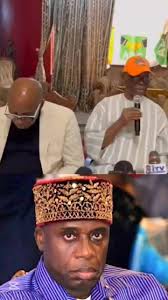
The recent political moves by former John Odigie-Oyegun have once again stirred intense debate within opposition circles, especially following his reported endorsement of Rotimi Amaechi for the ADC presidential ticket. The timing of that endorsement — coming just hours after the alleged assassination attempt on Peter Obi at his residence in Benin City — has raised eyebrows among supporters and political observers.
For many within the reform movement, the development reinforces long-standing suspicions that elements of the old political establishment may still be strategically embedded across party lines. Oyegun, a founding national chairman of the All Progressives Congress, remains a significant voice within Nigeria’s political elite. His swift alignment with Amaechi under the African Democratic Congress banner is being interpreted by some as a signal of deeper realignments ahead of 2027.

Critics argue that such endorsements — particularly at a moment of heightened tension — project insensitivity at best and calculated positioning at worst. Supporters of Obi believe the episode underscores the necessity for strategic caution, tighter political structures, and clearer ideological alignment as the opposition landscape begins to crystallize ahead of the next general election cycle.
Whether this represents betrayal, tactical politics, or routine pre-election maneuvering depends largely on perspective. However, one point remains clear: Nigeria’s opposition space is entering a decisive phase. Alliances will be tested, loyalties scrutinized, and political calculations intensified as 2027 approaches.
In this evolving environment, political actors — especially those positioning for national leadership — may indeed need to reassess partnerships, consolidate grassroots structures, and define unmistakable political identities that cannot be easily compromised by legacy power blocs.


