

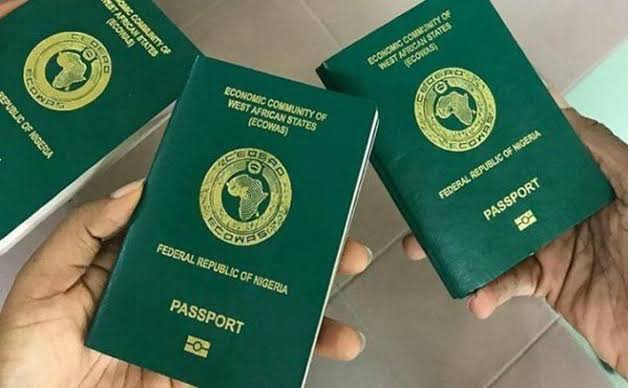
Nigerians applying for Canadian study permits and visitor visas will now face longer estimated processing times following the latest update by Immigration, Refugees and Citizenship Canada, IRCC.
According to the figures released on September 16, 2026, the estimated processing time for study permit applications submitted from Nigeria increased from nine weeks to 10 weeks.
The estimated processing time for Canadian visitor visas also rose from 84 days to 87 days, representing a three-day increase from the previous week.
The development is likely to affect Nigerians planning to travel to Canada for education, tourism, family visits and other temporary purposes, particularly applicants working with fixed school or travel schedules.
Meanwhile, the estimated processing time for work permit applications submitted from Nigeria remained unchanged at 10 weeks.
For Nigerians applying for a Super Visa, the estimated processing time increased from 44 days to 46 days.
IRCC updates its temporary-residence processing estimates weekly, meaning the figures can change as application volumes, processing capacity and other factors change.
The department cautions that processing times are estimates rather than fixed deadlines or guarantees. Individual applications can take either less or more time depending on the circumstances of each application.
For visitor visa applicants, additional factors can also affect the timeline. These may include requests for additional documents, interviews, medical examinations, police certificates or other verification procedures.
The latest figures show that processing times have not moved uniformly across countries and application categories.
For example, the estimated study permit processing time for applicants in India remained at five weeks, while Pakistan remained at seven weeks. Applicants from the United States and the Philippines continued to face estimated processing times of six and five weeks respectively.
For visitor visas, applicants from India saw their estimated processing time fall from 31 to 29 days, while Pakistan increased from 73 to 75 days. The estimate for applicants in the United States declined from 18 to 16 days.
The difference between processing estimates and official service standards is also important for applicants. IRCC explains that processing times provide an estimate of how long it may take to finalise an application and should not be interpreted as a maximum processing period.
Canada’s official service standard for new study permit applications submitted outside the country is 60 days, while the service standard for new visitor visa applications submitted outside Canada is 14 days. However, IRCC’s published service standards and its country-specific processing estimates are separate measures.
The latest update therefore means prospective Nigerian students and visitors may need to factor the longer estimates into their travel and academic plans.
Applicants are also advised to ensure that their applications are complete and respond promptly to any requests from Canadian immigration authorities, as delays in providing required information can affect processing.
IRCC is expected to update its temporary-residence processing estimates again in the following weekly cycle, meaning the current figures could change in subsequent updates.


