

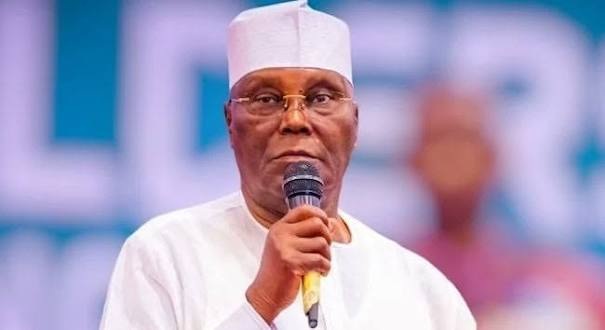
Former Vice President and African Democratic Congress (ADC) presidential candidate, Atiku Abubakar, has urged President Bola Tinubu’s administration to account for Nigeria’s existing debt before proceeding with plans to secure fresh World Bank financing worth $1.5 billion.
Atiku’s position was conveyed through the Director of Strategic Communications of the ADC Presidential Campaign Council, Phrank Shaibu, amid new figures showing that Nigeria’s total public debt reached N166.79 trillion as of June 30, 2026.
The proposed World Bank financing comprises three separate $500 million facilities aimed at supporting climate resilience, social protection and early childhood development. The loans are being discussed with the World Bank’s International Development Association, which provides concessional financing to eligible countries.
Atiku questioned how funds from previous borrowing had been utilised, arguing that Nigerians were yet to see sufficient improvements in living conditions despite the government’s economic reforms.
“Nigerians were promised that painful policies would free resources for development. They have felt the pain. Where is the development?” Atiku said.
He also highlighted the increase in Nigeria’s debt burden, saying the latest figures raised concerns about the amount owed by each Nigerian if the debt were distributed across the population. According to the figures cited by Atiku, the per-capita share has increased substantially compared with three years ago.
The issue is significant because additional borrowing could affect Nigeria’s fiscal position, debt-servicing obligations and the government’s capacity to finance other priorities. At the same time, the proposed World Bank facilities are earmarked for specific development programmes, including social protection and climate-resilience initiatives.
Data from the Debt Management Office showed that Nigeria’s public debt increased by N14.39 trillion, or 9.44 per cent, between June 2025 and June 2026, rising from N152.40 trillion to N166.79 trillion. Domestic debt accounted for N91.59 trillion, while external debt stood at N75.20 trillion.
The debate over the proposed World Bank financing comes as the Federal Government continues to balance investment in development programmes with concerns over rising public debt and debt sustainability.


