

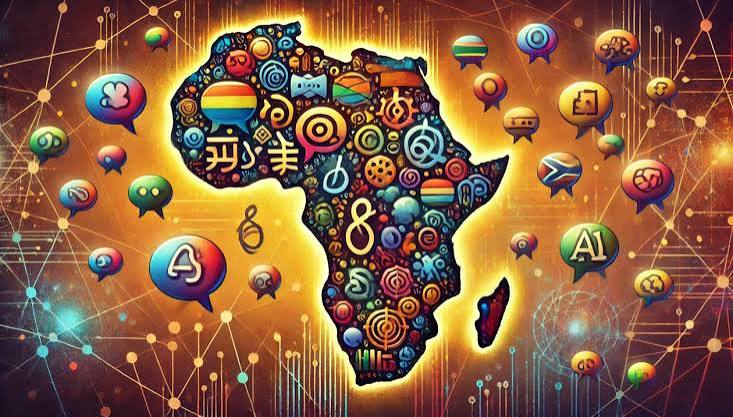
A new African initiative is seeking to use artificial intelligence (AI) to preserve the continent’s indigenous languages, improve digital inclusion and ensure that linguistic and cultural heritage is not lost in the digital age.
The initiative comes amid growing concerns about the underrepresentation of African languages in modern technology. Many AI systems are primarily trained on data from widely spoken global languages, leaving numerous African languages with limited digital resources and weaker support for translation, speech recognition and other language technologies.
The effort is significant because language carries more than words. It often preserves a community’s history, traditions, identity and cultural knowledge. Experts have warned that when indigenous languages are excluded from digital platforms and AI systems, communities risk losing important cultural knowledge and becoming further marginalised in the digital economy.
Through AI-powered tools, researchers and technology developers hope to document languages, create digital archives and develop systems capable of understanding and generating local languages. Such technology could eventually support education, healthcare, public services and communication in communities that are currently underserved by mainstream digital platforms.
Nigeria has already taken steps in this direction through N-ATLAS, the Nigerian Atlas for Languages and AI at Scale. The open-source initiative aims to map and digitise Nigeria’s linguistic heritage while developing datasets for more inclusive AI solutions. The project is designed to support languages including Hausa, Igbo and Yoruba, alongside Nigerian-accented English.
The broader African effort reflects a growing recognition that local communities must play an important role in building language technologies. Experts say successful AI preservation projects require accurate data, community participation and ethical safeguards to ensure indigenous knowledge is properly represented and protected.
The initiative ultimately highlights the potential of AI not only as a tool for technological innovation but also as a means of protecting Africa’s cultural identity and ensuring that indigenous voices have a place in the global digital future.


