

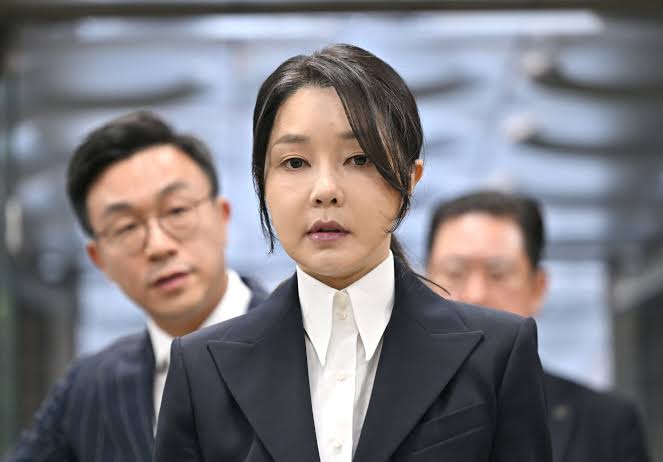
Former South Korean First Lady Kim Keon Hee has been sentenced to seven years in prison after a court found her guilty on multiple charges linked to corruption and abuse of influence, marking a significant development in one of the country’s most closely watched political scandals.
The ruling follows months of investigations and court proceedings into allegations surrounding Kim’s financial dealings and her alleged involvement in activities that violated public trust during her husband’s administration. Prosecutors argued that the former first lady used her position to gain improper advantages and influence business transactions, charges she had consistently denied.
The court ruled that the evidence presented by prosecutors was sufficient to establish her guilt, imposing a seven-year prison term. In addition to the custodial sentence, the court is expected to determine whether financial penalties or asset forfeitures will also be applied.
The verdict is seen as another example of South Korea’s strict legal approach toward public officials and political figures accused of corruption. The country has a history of prosecuting former presidents, senior government officials, and their family members in efforts to uphold accountability and strengthen public confidence in the justice system.
Kim’s legal team expressed disappointment with the judgment and indicated that they would appeal the decision, arguing that the ruling failed to fully consider evidence presented by the defence. The appeals process could delay the enforcement of the prison sentence until higher courts reach a final decision.
The case has attracted widespread attention across South Korea, with political analysts suggesting the verdict could have lasting implications for the nation’s political landscape and public perception of government accountability.


