

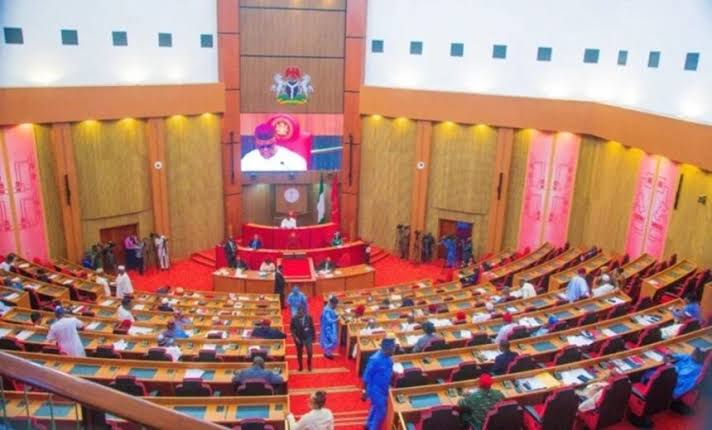
The renewed push for state police in Nigeria has moved beyond political rhetoric and into the realm of constitutional reform, with lawmakers and stakeholders considering legislative proposals that could fundamentally alter the country’s security architecture. Proponents argue that the current centralized policing structure has struggled to adequately address the diverse security challenges facing different parts of the country, including terrorism, banditry, kidnapping, armed robbery, and communal conflicts. They believe state police would bring law enforcement closer to the people and improve intelligence gathering, response times, and accountability.
At its core, the State Police Bill seeks to amend relevant provisions of the Constitution to allow individual states to establish and manage their own police services while maintaining the Nigeria Police Force as a federal institution. Supporters point to federal systems around the world where regional or state police operate alongside national security agencies, arguing that Nigeria’s size, population, and security complexities make a strong case for decentralization.
One of the strongest arguments in favour of state police is the issue of local knowledge. State-controlled police officers are more likely to understand the language, culture, terrain, and peculiar security dynamics of their communities. This familiarity can improve intelligence gathering and enable quicker responses to emerging threats. Advocates also argue that governors and state governments would become more directly accountable for security outcomes within their jurisdictions instead of relying almost entirely on directives from Abuja.
However, the proposal continues to generate significant debate because of several unresolved concerns. Chief among them is the fear of political abuse. Critics worry that some governors may use state police as instruments to intimidate opposition parties, suppress dissent, harass critics, or influence elections. Given Nigeria’s history of political interference in public institutions, many observers believe strong constitutional safeguards would be necessary before such powers are devolved to the states.
Funding is another major concern. While some states may have the financial capacity to recruit, train, equip, and maintain professional police services, others already struggle to meet salary obligations and provide basic services. Questions remain about whether every state can sustain a functional police force without compromising standards, welfare, and operational effectiveness.
There are also concerns about human rights and accountability. Opponents argue that without independent oversight mechanisms, state police could become vulnerable to abuse of power, unlawful arrests, and violations of civil liberties. For this reason, many stakeholders insist that any state police framework must include clear oversight structures, independent complaints bodies, judicial safeguards, and nationally accepted professional standards.
The bill also raises important operational questions. Who will appoint and remove state police commissioners? What happens when crimes cross state boundaries? How will conflicts between federal and state police agencies be resolved? What minimum recruitment, training, and operational standards will be enforced across the country? These issues remain at the centre of ongoing discussions.
Ultimately, the debate over the State Police Bill is not merely about creating another security institution; it is about balancing efficiency with accountability. While many Nigerians agree that the current security challenges require innovative solutions, the success of state police will depend on whether lawmakers can design a system that strengthens security without creating new avenues for political oppression or institutional abuse.
As the National Assembly continues deliberations on the proposed legislation, Nigerians will be watching closely to see whether the final framework addresses both the promise and the pitfalls of decentralized policing.


