

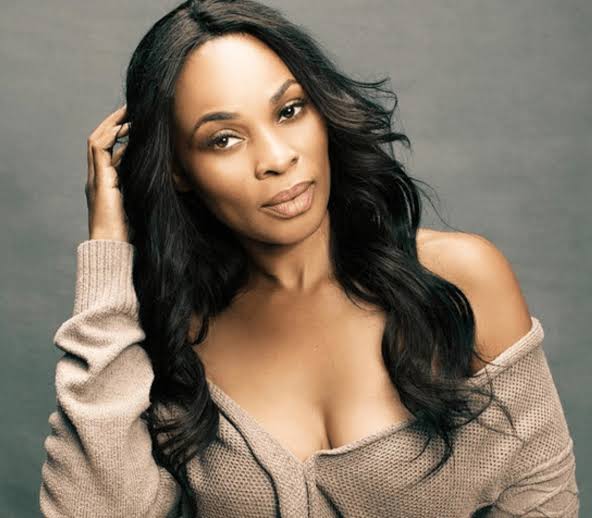
Nollywood actress and social commentator Georgina Onuoha has called for urgent action to address domestic violence and child abuse, urging community leaders, religious institutions, and government officials to confront what she described as a troubling trend within society.
The actress made the appeal through a series of videos shared on social media, where she expressed concern over reports and viral clips depicting cases of domestic abuse and the mistreatment of children. Onuoha emphasized that violence in any form should not be tolerated and called for greater accountability from families, communities, and institutions.
According to her, leaders at various levels should organize community dialogues and awareness campaigns aimed at promoting healthy family relationships, child protection, and respect for human dignity. She stressed that true strength is demonstrated through character, responsibility, and compassion rather than intimidation or abuse.
Onuoha’s comments have generated widespread reactions online. While many social media users praised her for speaking out against violence and advocating for vulnerable members of society, others criticized aspects of her remarks, arguing that social problems should not be associated with any particular ethnic group.
The discussion comes amid growing concerns about domestic violence and child welfare in Nigeria. Advocacy groups have repeatedly called for stronger enforcement of child protection laws, increased public awareness, and support systems for victims of abuse.
Human rights organizations continue to warn that violence against women and children remains a significant challenge across the country, with experts emphasizing the need for education, community engagement, and legal accountability to address the issue.
Observers say the debate sparked by Onuoha’s comments highlights the broader need for national conversations on family welfare, child protection, and gender-based violence.
As reactions continue, many stakeholders agree that preventing abuse and protecting vulnerable individuals should remain a priority for governments, traditional institutions, religious organizations, and civil society groups across Nigeria.


