

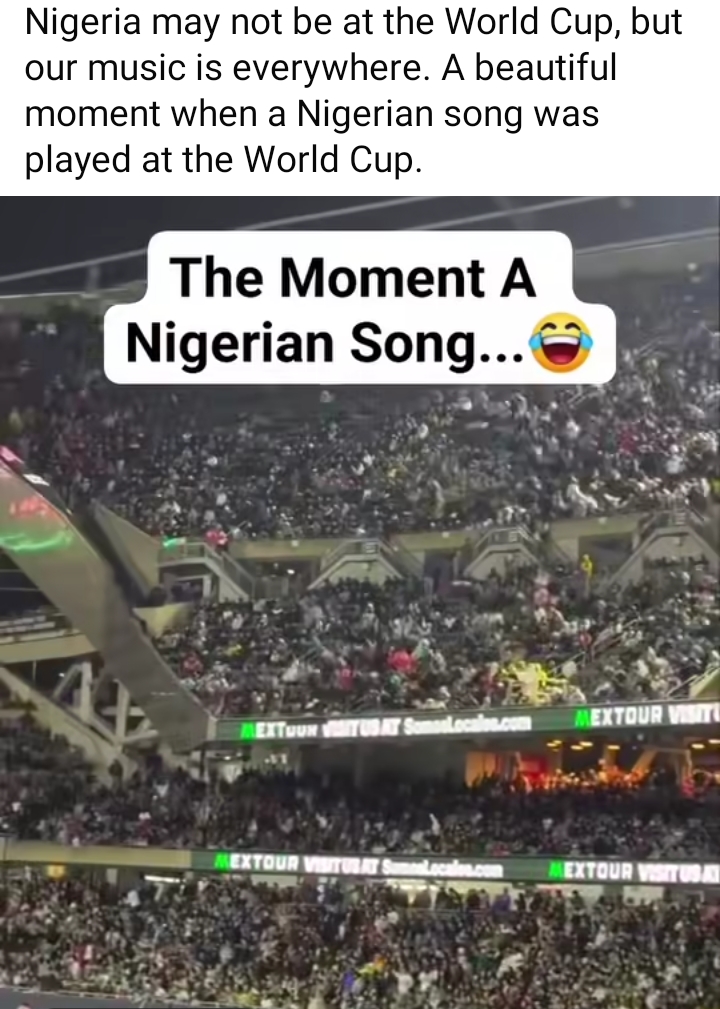
The extraordinary enthusiasm that Nigerian musicians generate among their fans is a phenomenon that extends far beyond entertainment. It is a cultural movement rooted in identity, aspiration, pride, and emotional connection. In many respects, the devotion shown by supporters of Nigeria’s biggest music stars mirrors the passion witnessed during the FIFA World Cup, where football becomes a symbol of collective belonging and national expression.
At the World Cup, supporters do not merely watch matches; they become emotionally invested in the fortunes of their teams. Victories spark celebrations that transcend social and economic boundaries, while defeats are mourned as shared disappointments. The same emotional intensity can be observed among fans of Nigerian music superstars.
Artists such as Burna Boy, Davido, Wizkid, Rema, Tems, and other leading figures in the Afrobeats movement have evolved beyond the status of entertainers. They have become cultural symbols representing the ambitions, resilience, and creativity of a generation. Their achievements on the global stage are often viewed by fans as collective victories for Nigeria and Africa.
This deep attachment is fueled by several factors. First, music creates a powerful emotional bond. Songs often become the soundtrack to people’s lives, accompanying moments of joy, heartbreak, struggle, and triumph. As a result, fans develop personal connections with artists whose music resonates with their experiences.
Second, many Nigerian musicians embody the dream of social mobility. Numerous artists rose from humble beginnings to achieve international acclaim through talent, perseverance, and determination. Their journeys inspire millions of young Nigerians who see in them proof that success is possible despite adversity.
Third, the global success of Afrobeats has transformed Nigerian musicians into ambassadors of culture. Every sold-out arena, international award, chart-topping record, and global collaboration reinforces a sense of national pride. Fans celebrate these milestones because they symbolize Nigeria’s growing influence in global entertainment.
Social media has further intensified this relationship. Platforms such as X, Instagram, TikTok, and YouTube allow artists to interact directly with their supporters, creating a sense of accessibility and personal connection. Fans no longer feel distant from their favorite musicians; they participate in their journeys in real time.
Like football supporters who proudly wear their national colors and defend their teams during international competitions, music fans form vibrant communities around their favorite artists. They promote songs, attend concerts, engage in spirited debates, and celebrate achievements with remarkable enthusiasm. In some cases, these fan communities exhibit levels of loyalty comparable to those seen among supporters of elite football clubs and national teams.
The comparison to the World Cup is therefore not merely symbolic. Both football and music provide avenues for collective expression, emotional investment, and cultural pride. They unite people across social, ethnic, and economic divides around shared experiences and aspirations.
Ultimately, the passion Nigerian musicians inspire reflects something larger than celebrity culture. It reveals the power of art to create identity, foster community, and project a nation’s story onto the global stage. As Afrobeats continues its remarkable rise, the devotion of its fans will remain one of the defining forces behind its success.
This is the World Cup effect in music: a unique blend of pride, passion, and belonging that transforms artists into icons and fans into devoted ambassadors of a cultural revolution.


