

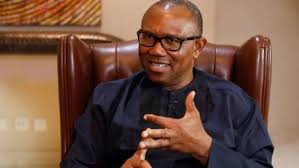
Former presidential candidate Peter Obi has called on the Federal Government to provide clear explanations regarding Nigeria’s growing debt profile despite claims of significant revenue growth under President Bola Tinubu’s administration.
Obi, who was the Labour Party candidate in the 2023 presidential election, expressed concerns over the country’s fiscal management, noting that while government revenues have reportedly doubled in recent months, Nigeria’s total public debt has surged to nearly N200 trillion.
The former Anambra State governor made the remarks while reacting to recent economic figures released by government agencies. According to Obi, Nigerians deserve transparency and accountability regarding how increased revenues are being utilized amid worsening economic conditions and mounting public debt.
Concerns Over Debt Accumulation
Obi questioned the rationale behind the continuous accumulation of debt when government officials have repeatedly highlighted improvements in revenue generation. He argued that rising debt levels should ordinarily be moderated by stronger revenue inflows and prudent fiscal management.
According to him, the government has consistently pointed to reforms such as the removal of fuel subsidies and foreign exchange adjustments as measures designed to improve public finances. However, he noted that the expected benefits of these policies have yet to translate into tangible relief for ordinary Nigerians.
The former governor emphasized that citizens are entitled to know why debt obligations continue to rise despite assurances that government earnings have significantly increased.
Economic Hardships Persist
Obi also highlighted the economic challenges facing millions of Nigerians, including rising inflation, increasing food prices, unemployment, and declining purchasing power.
He argued that while government officials celebrate improvements in macroeconomic indicators, many households continue to struggle with the rising cost of living. The Labour Party leader maintained that economic reforms should ultimately improve the welfare of citizens rather than deepen financial hardship.
Nigeria has experienced significant economic adjustments since President Tinubu assumed office in May 2023. The administration introduced major reforms, including the removal of petrol subsidies and the unification of foreign exchange rates, measures aimed at stabilizing the economy and attracting investment.
However, the reforms have also contributed to higher transportation costs, increased energy prices, and inflationary pressures that have affected businesses and consumers across the country.
Call for Greater Accountability
Obi stressed the importance of accountability in public finance management, urging government officials to provide detailed explanations regarding borrowing patterns, expenditure priorities, and debt servicing obligations.
He stated that transparency is essential for maintaining public trust and ensuring that economic policies deliver measurable benefits for citizens.
The former presidential candidate further called for regular disclosure of how revenues generated from government reforms are being allocated and utilized. According to him, Nigerians should have access to accurate information that enables them to assess the effectiveness of government policies.
Government Defends Economic Reforms
The Tinubu administration has consistently defended its economic agenda, arguing that the reforms are necessary to address long-standing structural challenges in Nigeria’s economy. Government officials have maintained that short-term difficulties are expected but that the policies will create a stronger foundation for sustainable growth.
Authorities have also pointed to increased revenue generation, improved foreign reserves, and renewed investor confidence as signs that the reforms are beginning to yield positive results.
Despite these assurances, critics continue to raise concerns about the pace of economic recovery and the impact of government policies on vulnerable populations.
Debate Over Nigeria’s Economic Direction
Obi’s comments add to the ongoing national debate over Nigeria’s economic direction and fiscal sustainability. Analysts say concerns about debt levels, revenue utilization, and economic hardship are likely to remain central issues in public discourse as the government continues to implement reforms.
As Nigerians grapple with rising living costs and economic uncertainty, calls for greater transparency and accountability in public finance management are expected to intensify.
The latest remarks from Peter Obi underscore the growing demand for clarity on how increased government revenues are being managed and whether current economic policies are effectively addressing the country’s mounting fiscal challenges.


