

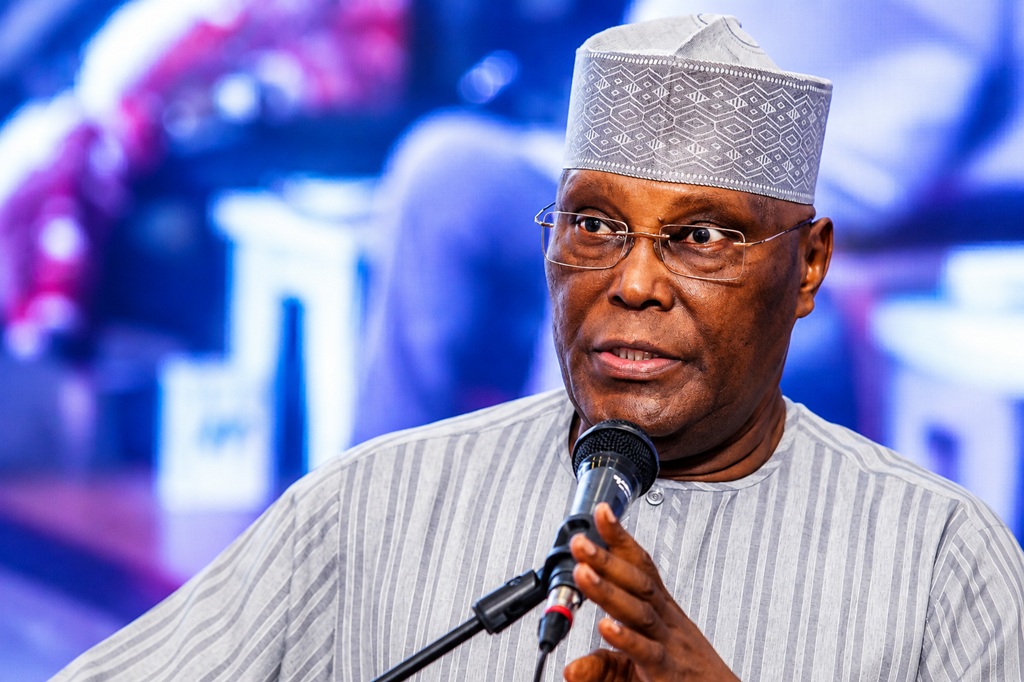
Former Vice President Atiku Abubakar has publicly criticized former Secretary to the Government of the Federation, Babachir David Lawal, accusing him of engaging in rhetoric that could deepen ethnic and regional divisions in Nigeria.
Atiku’s remarks come amid increasing political realignments and heightened debate ahead of the 2027 general elections, a period in which political statements are attracting intense scrutiny from both supporters and opponents.
According to Atiku, Nigeria’s political leaders have a responsibility to promote national unity rather than make comments that could be interpreted as divisive or capable of inflaming ethnic tensions. He reportedly expressed concern that certain recent statements attributed to Lawal risk undermining efforts to build broad-based political cooperation across the country.
The former vice president emphasized the importance of inclusive politics and warned against narratives that could polarize citizens along ethnic, regional, or religious lines.
Lawal, a prominent northern political figure and former ally of President Muhammadu Buhari, has in recent years been vocal on national political issues and has participated in discussions surrounding opposition alliances and electoral strategy.
The disagreement highlights the growing tensions within opposition circles as political actors position themselves for the 2027 presidential contest. Several opposition leaders are currently engaged in coalition talks, party realignments, and debates over the most effective strategy for challenging the ruling All Progressives Congress (APC).
Political analysts note that accusations of ethnic or regional rhetoric often become more common during election cycles, when political competition intensifies and parties seek to mobilize support across Nigeria’s diverse population.
Observers have also stressed the need for political leaders to exercise caution in public statements, given Nigeria’s history of ethnic and religious tensions. Many argue that constructive policy debates on governance, security, and economic development are more beneficial than rhetoric that could be perceived as divisive.
As of the latest reports, Lawal had not publicly responded to Atiku’s criticism. The exchange nevertheless underscores the increasingly heated political atmosphere as parties and political figures begin shaping their narratives ahead of the 2027 elections.
The episode serves as another reminder of the central role that national unity, political inclusion, and responsible public discourse will play in Nigeria’s evolving political landscape.


