

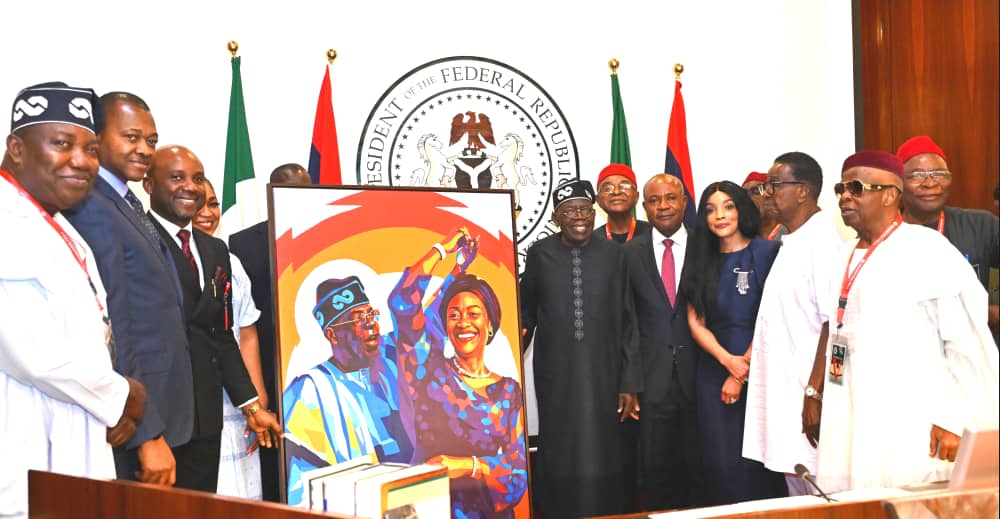
A chieftain of the All Progressives Congress (APC), Osita Okechukwu Nwoye, has described the recent endorsement of President Bola Ahmed Tinubu by political stakeholders in Enugu State as a demonstration of political maturity and strategic leadership ahead of the 2027 general elections.
Nwoye made the remarks while reacting to growing support for President Tinubu in the South-East region, particularly in Enugu State, where political leaders and influential groups have expressed confidence in the administration’s policies and development agenda.
According to him, the endorsement reflects a pragmatic approach to politics and governance, emphasizing that leaders must prioritize the long-term interests of their people over partisan considerations. He argued that the decision by stakeholders in Enugu to align with the President’s vision signals a shift toward issue-based politics and national unity.
The APC stalwart noted that President Tinubu’s administration has initiated reforms aimed at repositioning Nigeria’s economy, strengthening infrastructure, and improving governance. While acknowledging the challenges associated with some of the government’s policies, he maintained that the reforms are necessary to achieve sustainable economic growth and national development.
Nwoye stated that political leaders in Enugu recognized the importance of supporting initiatives that could bring greater federal attention and development opportunities to the state. He added that constructive engagement with the federal government often yields better results than political isolation.
“The endorsement of President Tinubu by stakeholders in Enugu demonstrates political maturity and a commitment to the broader interests of the people,” Nwoye reportedly said. “Politics should be about development, progress, and creating opportunities for citizens.”
His comments come amid increasing political activities and consultations across the country as parties and interest groups begin positioning themselves ahead of the 2027 elections. Although the next presidential election is still some time away, political alignments and endorsements have already begun to shape discussions in several states.
Supporters of President Tinubu argue that his administration has taken bold steps to address longstanding economic challenges through policy reforms designed to improve fiscal stability, attract investment, and enhance productivity. They contend that while some measures have brought short-term hardships, they are intended to lay the foundation for long-term economic prosperity.
The endorsement in Enugu has generated reactions from various political observers, with some viewing it as a sign of evolving political dynamics in the South-East. Analysts note that the region has traditionally supported opposition candidates in presidential elections, making any show of support for the ruling party particularly significant.
Political experts believe that endorsements by influential stakeholders can play a key role in shaping public perception and strengthening political alliances. However, they also emphasize that voters ultimately base their decisions on the performance of elected officials and the impact of government policies on their daily lives.
Nwoye further urged Nigerians to assess political leaders based on their achievements and capacity to deliver meaningful development rather than ethnic, religious, or regional considerations. He argued that national progress requires cooperation among all regions and political interests.
According to him, President Tinubu’s administration has demonstrated a willingness to engage different parts of the country and address issues affecting national cohesion. He called on political leaders to support policies that promote economic growth, infrastructure development, job creation, and improved living standards.
Meanwhile, supporters of the endorsement say it reflects confidence in ongoing federal projects and programs aimed at improving transportation, energy, education, and healthcare services. They argue that closer collaboration between state governments and the federal administration can accelerate development and attract greater investments.
Critics, however, maintain that political endorsements should be accompanied by measurable improvements in the lives of ordinary Nigerians. They insist that citizens remain concerned about inflation, rising living costs, unemployment, and other economic challenges affecting households across the country.
Despite differing opinions, the endorsement has become part of the broader political conversation surrounding the 2027 elections. Observers say it highlights the increasing importance of coalition-building and strategic partnerships as political actors prepare for future contests.
As Nigeria moves closer to another election cycle, analysts expect more endorsements, consultations, and political realignments across the country. For Nwoye and other supporters of the President, Enugu’s backing represents not only confidence in Tinubu’s leadership but also a growing belief that cooperation and political inclusiveness are essential for national development.
The coming months are likely to reveal whether similar endorsements emerge from other parts of the country as political stakeholders continue to evaluate the performance of the current administration and position themselves ahead of the 2027 presidential election.


