

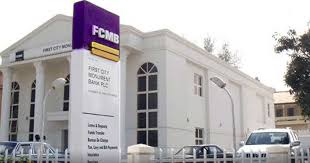
A senior executive at First City Monument Bank (FCMB) has emphasized that access to financing alone is not enough to guarantee the success of small and medium-sized enterprises (SMEs), stressing the need for improved infrastructure and an enabling business environment to drive sustainable growth.
The FCMB Senior Vice President made the remarks while discussing the challenges facing SMEs in Nigeria, noting that many businesses continue to struggle despite increased access to funding opportunities from financial institutions and government intervention programs.
According to the bank executive, inadequate infrastructure remains one of the biggest obstacles limiting the growth and competitiveness of small businesses across the country.
SMEs Face Multiple Operational Challenges
Small and medium-sized enterprises are widely regarded as the backbone of Nigeria’s economy, contributing significantly to employment generation, innovation, and economic development.
However, many SME operators continue to grapple with challenges such as unreliable electricity supply, poor transportation networks, inadequate digital infrastructure, and rising operational costs.
The FCMB executive explained that while access to credit is important, businesses also require stable infrastructure to maximize productivity and profitability.
“Financing is only one aspect of business growth. SMEs need an environment where infrastructure supports production, logistics, and service delivery,” the official stated.
Industry experts have repeatedly highlighted the impact of infrastructure deficiencies on business sustainability, particularly for startups and growing enterprises with limited resources.
Importance of Power and Transportation
Among the critical areas identified by stakeholders is the need for reliable electricity supply.
Many small businesses rely heavily on generators and alternative power sources due to irregular public electricity supply, significantly increasing operating expenses.
The transportation sector has also been identified as a major concern, with poor road conditions and rising logistics costs affecting the movement of goods and services across the country.
Analysts say these challenges reduce the competitiveness of local businesses and make it difficult for SMEs to expand operations or attract investment.
Improved infrastructure, they argue, would enable businesses to lower costs, increase efficiency, and create more employment opportunities.
Financial Institutions Expanding SME Support
Despite these challenges, financial institutions continue to develop products and services aimed at supporting entrepreneurs and small business owners.
FCMB has been among the banks actively promoting SME development through business financing, capacity-building initiatives, digital banking solutions, and entrepreneurship support programs.
The bank’s executive noted that financial institutions have an important role to play in helping businesses access capital and improve operational capacity.
However, he stressed that long-term economic growth requires collaboration between government agencies, development partners, and private-sector stakeholders to address structural challenges affecting businesses.
Calls for a More Enabling Business Environment
Business leaders have consistently called for policies that encourage investment and reduce the cost of doing business in Nigeria.
Experts believe that improving infrastructure would have far-reaching benefits for SMEs, including increased productivity, job creation, enhanced innovation, and stronger contributions to national economic growth.
The FCMB executive urged policymakers to prioritize investments in critical sectors such as energy, transportation, technology, and industrial infrastructure.
According to him, a comprehensive approach that combines financing with infrastructure development is essential to unlocking the full potential of Nigeria’s entrepreneurial ecosystem.
SMEs Key to Economic Diversification
Economists continue to identify SMEs as a critical component of Nigeria’s efforts to diversify its economy beyond oil revenues.
The sector accounts for a substantial share of business activities nationwide and serves as a major source of employment for millions of Nigerians.
Government agencies and financial institutions have launched several initiatives in recent years to improve access to funding and strengthen business development opportunities.
While these interventions have provided support to many entrepreneurs, stakeholders maintain that sustainable growth will depend on addressing broader infrastructure challenges that affect daily business operations.
As Nigeria seeks to stimulate economic growth and attract investment, experts argue that creating a supportive environment for SMEs should remain a top priority.
The FCMB executive’s remarks underscore a growing consensus within the business community that financing alone cannot drive enterprise growth. Instead, a combination of adequate infrastructure, supportive policies, and access to capital is needed to enable SMEs to thrive and contribute more effectively to national development.


