

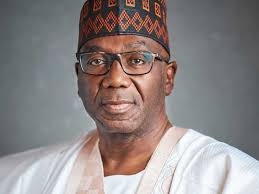
Kwara State Governor AbdulRahman AbdulRazaq has called on President Bola Ahmed Tinubu to increase Nigeria’s national minimum wage from N70,000 to N100,000 in response to worsening economic realities and the rising cost of living across the country.
The governor’s appeal comes amid ongoing national conversations surrounding workers’ welfare, inflation, and the economic impact of recent government reforms. AbdulRazaq argued that the current minimum wage is no longer sufficient to meet the basic needs of Nigerian workers due to escalating food prices, transportation costs, housing expenses, and inflation.
According to the governor, increasing the minimum wage to N100,000 would help provide relief for workers struggling to cope with current economic pressures while also improving productivity and living standards.
The call has quickly generated reactions from labour unions, economic experts, political stakeholders, and members of the public, many of whom continue to debate the sustainability and implications of a higher wage structure.
Governor AbdulRazaq reportedly emphasized that Nigerian workers remain critical to national development and deserve wages capable of reflecting present-day economic conditions.
He noted that while economic reforms introduced by the federal government may eventually produce long-term benefits, many Nigerians are currently facing immediate financial hardship and require urgent support.
The governor also urged the federal government to continue implementing policies aimed at stabilizing the economy, reducing inflation, and improving purchasing power for ordinary citizens.
Nigeria has experienced rising living costs since the removal of fuel subsidy and the floating of the naira, policies introduced by the Tinubu administration as part of broader economic reform efforts.
While government officials maintain that the reforms are necessary for economic recovery and fiscal stability, many Nigerians have complained about increasing hardship caused by higher fuel prices, transportation fares, and food inflation.
Labour unions have consistently demanded salary increases and improved welfare packages for workers, arguing that many employees can no longer survive on existing wages.
Economic analysts say the debate over minimum wage has become increasingly important as inflation continues to weaken the value of workers’ earnings across both the public and private sectors.
Some experts believe that raising the minimum wage could improve consumer spending and stimulate parts of the economy. However, others warn that a sharp increase without adequate economic planning may place additional pressure on state governments and private businesses already facing financial challenges.
Employers and business groups have also expressed concerns about the ability of some companies, especially small and medium-sized enterprises (SMEs), to absorb higher wage costs amid difficult economic conditions.
Despite those concerns, supporters of the proposed wage increase argue that workers deserve fair compensation considering the current realities in the country.
Political observers note that calls for improved worker welfare could become a major issue in Nigeria’s political and economic discussions ahead of future elections and policy negotiations.
The Kwara governor’s position has also intensified conversations about the role of state governments in supporting workers and implementing economic measures capable of easing hardship for citizens.
Meanwhile, labour leaders have welcomed continued discussions around wage increases but insist that any review must genuinely reflect the cost of living and inflation affecting Nigerians daily.
Several civil society organizations have similarly urged the federal government to combine wage increases with broader economic interventions, including affordable transportation, food security programs, housing support, and job creation initiatives.
The federal government has yet to officially respond to the governor’s proposal, but discussions around workers’ welfare and economic reforms are expected to remain central issues in the coming months.
Analysts say the outcome of future wage negotiations could significantly shape labour relations, public confidence, and economic stability as Nigeria continues efforts to manage inflation and improve living standards.
For many Nigerian workers, the growing debate over the minimum wage reflects broader concerns about survival, economic fairness, and the need for policies that directly improve everyday life.


