

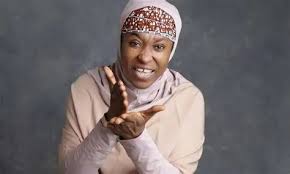
A political war of words has erupted between Federal Capital Territory (FCT) Minister Nyesom Wike and activist Aisha Yesufu following her defeat in the National Democratic Congress (NDC) primary for the FCT Senate seat.
The clash began after Wike reportedly took a swipe at Yesufu during the Renewed Hope Luncheon, referencing her loss in the NDC primary election held between May 27 and May 29. Yesufu, a prominent activist and co-founder of the #EndSARS movement, lost the contest to Amanda Pam in a race that has since generated widespread reactions within political circles.
Yesufu had joined the NDC in May as part of efforts to strengthen political engagement and advocacy for residents of Abuja ahead of the 2027 general elections. Her entry into partisan politics attracted significant public attention due to her history of activism and vocal criticism of government policies.
Following the primary election, Yesufu described the process as flawed but accepted the outcome and congratulated Amanda Pam on her victory. Despite raising concerns about irregularities, she urged her supporters to remain peaceful and continue advocating for political reforms and better representation in the FCT.
However, the political atmosphere intensified after Wike allegedly mocked her electoral defeat during a public event attended by political associates and government officials.
The former Rivers State governor reportedly questioned the credibility of political figures who command strong influence on social media but fail to secure electoral victories during party primaries.
His remarks quickly sparked reactions online, with supporters and critics debating the role of activism, public influence, and grassroots politics in Nigeria’s evolving democratic landscape.
Yesufu responded strongly through a post on X, formerly known as Twitter, where she referenced Wike’s own political setbacks during the Peoples Democratic Party (PDP) presidential primary in 2022.
In the post, she accused the FCT minister of hypocrisy and described him as a “glorified escort,” a statement that further escalated tensions between both camps and generated massive engagement across social media platforms.
The exchange has since become one of the most talked-about political controversies online, with Nigerians expressing mixed reactions over the comments made by both personalities.
Supporters of Wike argued that electoral politics differs significantly from activism and social media popularity, insisting that political success requires deep grassroots structures and broad party support.
On the other hand, supporters of Yesufu defended her stance, saying she has consistently spoken out on issues affecting Nigerians and should not be ridiculed for participating in the democratic process.
Political analysts say the confrontation reflects the increasingly personal and confrontational nature of political discourse in Nigeria, especially as political actors begin positioning themselves ahead of the 2027 elections.
Observers also note that the growing influence of social media has transformed political engagement in Nigeria, allowing activists, politicians, and citizens to shape public debates more directly than ever before.
The NDC primary controversy has also reignited discussions about transparency within political parties and the challenges faced by new entrants seeking elective positions.
Some analysts believe Yesufu’s participation in the primary election demonstrates a broader trend of activists transitioning into mainstream politics in an attempt to influence governance from within political institutions.
Meanwhile, Amanda Pam, who emerged victorious in the primary contest, has continued consultations with party stakeholders as preparations gradually begin for future electoral campaigns.
The NDC leadership has yet to release a detailed statement addressing allegations surrounding the conduct of the primary election.
Despite the controversy, political observers say the feud between Wike and Yesufu is likely to remain a major talking point within Nigeria’s political space, particularly as parties and political figures intensify preparations for the next election cycle.
Many Nigerians continue to monitor the developments closely, viewing the exchange as another reflection of the fierce rivalries and sharp rhetoric that often define the country’s political environment.


