

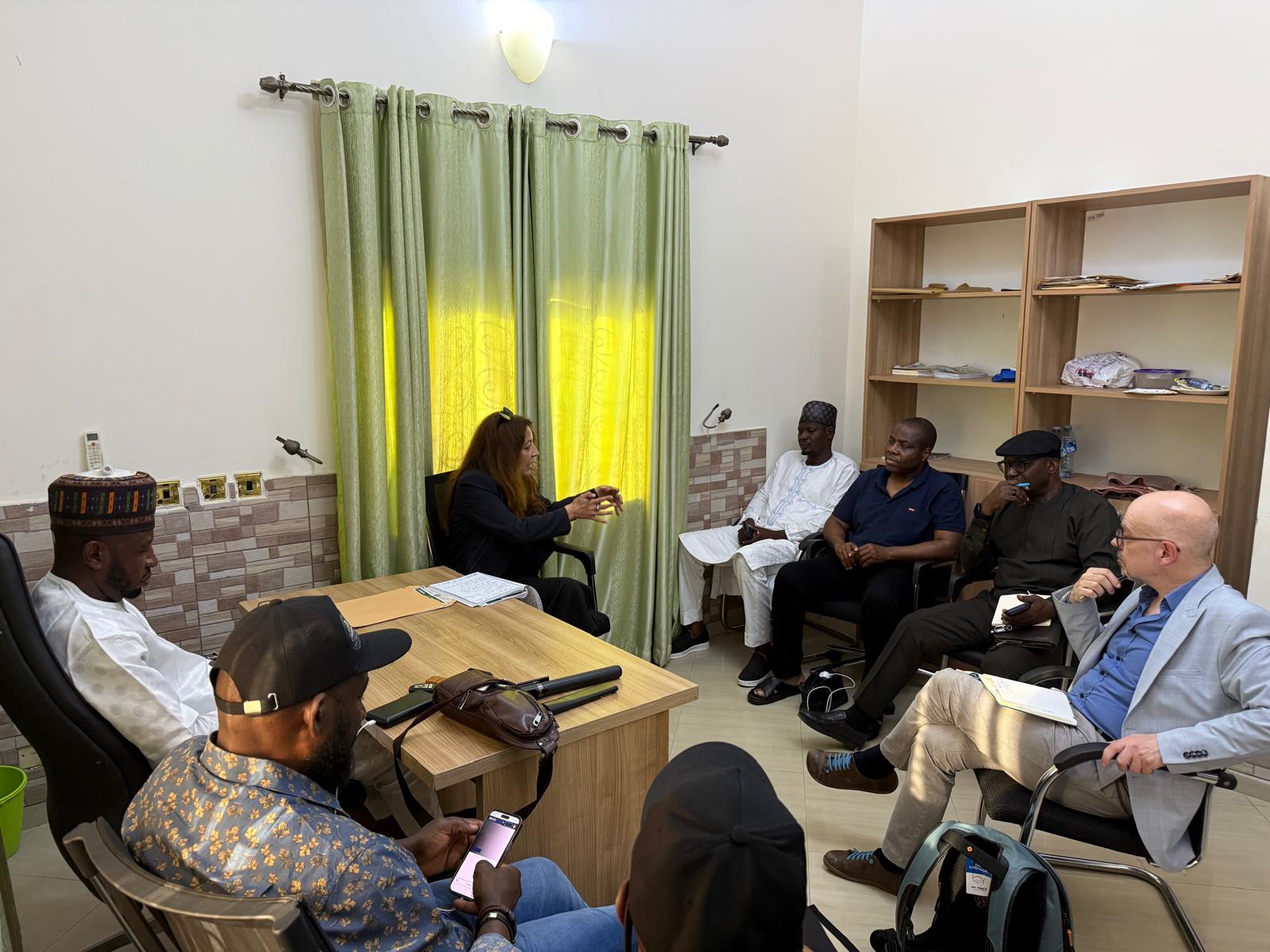
The reported visit by officials of the European External Action Service (EEAS) to the Obidient Movement headquarters in Abuja may appear symbolic on the surface, but politically, it carries deeper implications for Nigeria’s 2027 general elections.
First, it signals that international democratic institutions are closely monitoring Nigeria’s evolving opposition landscape, especially youth-driven political movements. The European Union has repeatedly stated that its engagement with Nigeria now extends beyond trade into democratic governance, institutional reforms, and electoral credibility ahead of 2027.
For the Obidient Movement, such diplomatic attention could strengthen its legitimacy both locally and internationally. Since the rise of Peter Obi and the expansion of the Obidient political base, the movement has increasingly positioned itself as a reform-oriented alternative capable of disrupting Nigeria’s traditional political structure. International visits, even informal or “courtesy” engagements, help reinforce the perception that the movement is no longer fringe activism but a recognized political force within Nigeria’s democratic conversation.
The implications for 2027 could be significant in several ways:
Increased International Scrutiny of the 2027 Elections
The EU has already indicated that it intends to deepen support for Nigeria’s democratic institutions, including INEC, civil society organizations, political parties, and the media ahead of 2027.
If opposition movements like the Obidients continue attracting diplomatic attention, the 2027 elections could witness:
stronger international observation,
increased pressure for electoral transparency,
greater monitoring of voter suppression allegations,
and intensified global attention on violence or irregularities.
This may make it harder for state institutions to operate without scrutiny during the electoral process.
Psychological Boost for Opposition Supporters
Politics is also perception. Diplomatic engagements often create the impression of international legitimacy and seriousness.
Among young voters and urban middle-class Nigerians, such visits may energize:
volunteer mobilization,
diaspora funding,
grassroots organizing,
and coalition-building efforts ahead of 2027.
Supporters may interpret the engagement as evidence that the movement is gaining recognition beyond Nigeria’s borders.
Pressure on the Ruling Establishment
The current administration of Bola Ahmed Tinubu continues strengthening ties with the EU on trade, security, and regional cooperation.
However, the EU simultaneously maintains relationships with opposition actors and civil society groups. This dual engagement sends a message that international partners are interested in democratic stability rather than loyalty to one political bloc alone.
As 2027 approaches, the ruling establishment may face increasing pressure to:
avoid perceptions of political intimidation,
tolerate opposition mobilization,
and demonstrate commitment to credible democratic practices.
Coalition Politics Could Intensify
One of the biggest lessons from 2023 was that fragmented opposition weakened electoral competitiveness. By 2027, movements like the Obidients may become central to broader coalition negotiations involving reformist politicians, youth groups, civil society organizations, and regional blocs.
International diplomatic engagement may indirectly encourage coalition politics by signaling that stable democratic alternatives are being taken seriously globally.
Fear of Foreign Influence Narratives
On the other hand, opponents of the movement may weaponize such visits politically. Some ruling party loyalists could frame EU engagement as foreign interference or external endorsement of opposition politics.
This could trigger:
nationalist rhetoric,
accusations of foreign-backed regime change agendas,
and increased political polarization.
Such narratives are already common across parts of Africa where Western diplomatic engagement intersects with opposition politics.
The Bigger Picture
Ultimately, the EEAS visit reflects a broader reality: Nigeria’s 2027 elections are already attracting international strategic interest because Nigeria remains Africa’s largest democracy and a critical regional power. The EU sees Nigeria as central to West African stability, trade, migration management, and democratic continuity.
For the Obidient Movement, diplomatic recognition alone will not win elections. The real determinants of 2027 will still be:
grassroots structures,
coalition strength,
voter turnout,
electoral integrity,
regional balancing,
and economic realities affecting ordinary Nigerians.
But politically, such visits help shape narratives — and in modern elections, narratives can become powerful electoral assets.


