

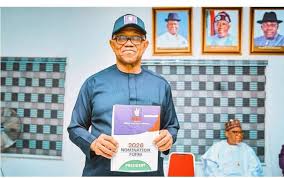
The Labour Party’s 2023 presidential candidate, Peter Obi, has disowned a viral claim circulating on social media alleging that he secured 45 million votes in a so-called “NDC primary,” describing the report as false, misleading, and entirely fabricated.
The clarification comes amid growing concerns over the spread of misinformation online, particularly involving high-profile political figures in Nigeria.
Viral Claim Sparks Online Confusion
The claim, which began circulating on social media platforms, suggested that Peter Obi participated in a non-existent political exercise referred to as an “NDC primary” and allegedly emerged with 45 million votes.
The post quickly gained traction, generating debates, confusion, and reactions from users across different platforms. Many questioned the authenticity of the report, while others shared it without verification, further amplifying its reach.
However, political observers were quick to point out that no such electoral process exists involving Peter Obi or any legitimate political party under that description in Nigeria’s political landscape.
Peter Obi’s Response
Reacting to the viral claim, Peter Obi firmly denied the report, stating that he had no involvement in any such political process and did not receive any vote tally as claimed in the circulated message.
He described the information as fake and urged the public to disregard it, emphasizing the importance of verifying political content before sharing it online.
Obi also expressed concern over the increasing rate of misinformation targeted at public figures, noting that such false narratives are capable of misleading citizens and distorting public discourse.
Growing Concern Over Political Misinformation
The incident has once again highlighted the growing challenge of misinformation in Nigeria’s digital space, particularly during politically sensitive periods.
Experts warn that fabricated stories involving political leaders can easily spread due to social media algorithms that prioritize engagement over accuracy. This often leads to confusion among the public and can influence political perceptions.
In recent years, Nigeria has witnessed several instances of false political reports going viral, prompting calls for stronger fact-checking mechanisms and increased public awareness.
Importance of Media Literacy
Analysts have stressed the need for improved media literacy among social media users, especially when consuming politically related content.
They advise citizens to cross-check information from credible news sources before sharing, particularly when claims involve elections, vote counts, or political endorsements.
According to media experts, misinformation not only damages reputations but also undermines trust in democratic processes.
Political Context and Public Reaction
Peter Obi remains a prominent figure in Nigerian politics following his strong performance in the 2023 presidential election. As a result, he continues to attract significant public attention, both online and offline.
Supporters of the Labour Party candidate have also condemned the viral claim, describing it as an attempt to mislead the public and create unnecessary political confusion.
Meanwhile, some social media users have called for stricter regulation of fake news, especially content that falsely attributes statements or achievements to political figures.
Digital Platforms Under Scrutiny
The spread of the false claim has renewed discussions about the responsibility of digital platforms in curbing misinformation. Critics argue that more must be done to flag or remove misleading political content before it gains widespread attention.
However, others believe that users themselves must take greater responsibility for verifying information before sharing it.


