

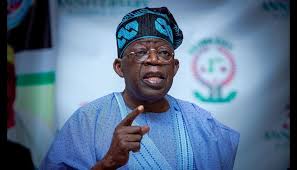
Bola Ahmed Tinubu has emerged as the presidential candidate of the All Progressives Congress after reportedly securing 10.99 million votes in the party’s internal selection exercise, sealing his position as the ruling party’s flagbearer ahead of the next election cycle.
The result was announced at a major APC convention attended by governors, party executives, lawmakers, and delegates from across Nigeria’s 36 states and the Federal Capital Territory, Abuja. The gathering marked a decisive moment in the party’s preparations for the upcoming general elections.
According to party officials, the overwhelming vote count reflects strong confidence in Tinubu’s leadership and a unified backing from key political blocs within the APC structure. They described the outcome as a clear endorsement of his administration’s direction and reform agenda.
Delegates at the event participated in the internal voting process that determined the party’s candidate. Tinubu’s large margin of support was widely interpreted as evidence of his influence within the APC and his ability to maintain cohesion among diverse political interests in the party.
During the convention, senior APC leaders praised Tinubu’s government for ongoing reforms aimed at stabilizing the economy, improving infrastructure, and strengthening governance. They emphasized that continuity in leadership would be essential for sustaining national development efforts.
The atmosphere at the venue was celebratory, with supporters chanting, singing, and waving party flags after the announcement. Many described the outcome as a major boost for the APC as it prepares for a competitive election season.
In his acceptance remarks, President Tinubu expressed gratitude to party members for their trust and support. He reaffirmed his commitment to driving economic growth, improving national security, and expanding opportunities for Nigerians.
He also urged unity within the party, calling on members to set aside internal differences and focus on strengthening the APC’s chances in the general elections.
Tinubu highlighted priority areas such as job creation, agricultural development, infrastructure expansion, energy reforms, and investment attraction, noting that his administration remains focused on long-term national transformation.
Since assuming office in 2023, Tinubu’s government has introduced major economic policy changes, including the removal of fuel subsidies, foreign exchange reforms, and fiscal restructuring measures. While these policies have sparked public debate, APC leaders argue they are necessary steps toward sustainable economic recovery.
Political analysts say Tinubu’s strong performance in the internal party process reinforces his position as the leading contender in the upcoming election cycle and highlights his dominance within the APC’s political structure.
Some observers believe the outcome will influence the broader political landscape, as opposition parties are expected to intensify their strategies ahead of the national polls.
The APC leadership described Tinubu’s emergence as a moment of unity for the party, stressing the importance of consolidating support across all regions of the country to secure electoral success.
Reactions from political commentators suggest that the result underscores the party’s organizational strength and Tinubu’s continued political relevance on the national stage.
As Nigeria moves closer to another election season, attention is expected to shift toward campaign planning, voter outreach, and policy messaging across the country.
With the party’s flag now firmly in his hands, Tinubu is set to lead the APC into what is expected to be a highly competitive and closely watched electoral contest.


