

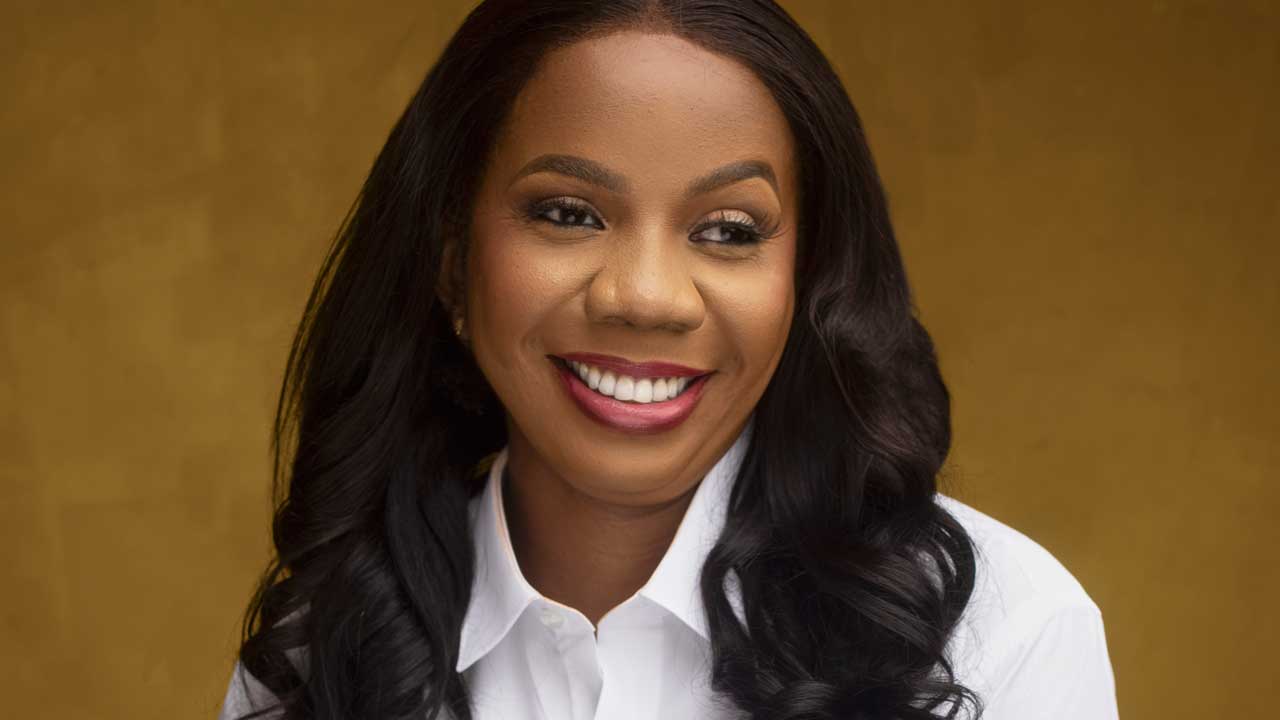
The growing cost of influencer marketing in Nigeria has sparked fresh debate after a local herbal entrepreneur publicly criticized the massive fees charged by top social media personalities, describing the current pricing trend as unsustainable for many businesses operating in the country’s struggling economy.
Adefemi Komiyo Lawrence, the founder of Fekomi Herbals, recently shared his frustration over the high financial demands of celebrity influencers, revealing that he decided against working with several popular Nigerian content creators due to their expensive rates and concerns about the effectiveness of such campaigns.
According to Lawrence, many leading online entertainers now charge millions of naira for promotional content, creating serious challenges for small and medium-sized enterprises trying to market products in an increasingly competitive digital environment.
Among the influencers he referenced were Sydney Talker, Shank Comics, Ola of Lagos, and Carter Efe.
Lawrence claimed that Sydney Talker allegedly requested around ₦20 million for a single promotional video, while Shank Comics reportedly charged approximately ₦12 million. He argued that such figures are difficult for local businesses to sustain, especially amid rising inflation, currency instability, and declining consumer purchasing power in Nigeria.
The entrepreneur explained that his company specializes in herbal products and traditional wellness remedies, including products marketed for male health and performance enhancement. One of the products frequently discussed online following the controversy is a herbal supplement known as “Smackdown.”
His comments immediately triggered widespread reactions on social media, where many Nigerian entrepreneurs echoed similar frustrations regarding influencer pricing and the broader realities of digital advertising in the country.
Several business owners argued that the rapid growth of Nigeria’s influencer economy has pushed advertising costs beyond what many indigenous brands can reasonably afford. While large corporations and multinational companies may still maintain large marketing budgets, smaller businesses increasingly struggle to compete for visibility online.
The conversation also reflects wider economic pressures affecting businesses across Nigeria. With the naira trading at around ₦1,370 per U.S. dollar in recent months, the reported ₦20 million fee translates to nearly $14,600 — an amount many entrepreneurs believe is excessive within the current state of the Nigerian economy.
Industry analysts note that influencer marketing has become one of the most powerful advertising tools in the digital age, especially among younger audiences who spend significant time on platforms such as TikTok, Instagram, YouTube, and X.
As social media continues shaping consumer behavior, influencers with millions of followers now possess enormous commercial influence capable of driving trends, conversations, and purchasing decisions.
However, experts also warn that popularity alone does not always guarantee successful marketing outcomes. Some digital strategists questioned whether entertainment influencers known mainly for comedy and luxury lifestyle content are the ideal fit for promoting herbal health products.
According to marketing professionals, effective influencer campaigns depend heavily on audience alignment and credibility. Businesses often achieve stronger results when partnering with creators whose followers genuinely connect with the products being advertised.
Some critics of celebrity influencer culture argued that brands frequently focus too much on follower counts and viral visibility while ignoring audience relevance and conversion potential.
The issue of accountability in influencer partnerships also emerged during the online discussion. Lawrence suggested that some influencers either fail to deliver content as expected or generate online attention without producing meaningful increases in customer sales.
This concern has become increasingly common among entrepreneurs investing heavily in social media promotions. Many business owners have complained about spending substantial amounts on influencer campaigns that ultimately produce little return on investment.
As a result, several Nigerian brands are now reconsidering their digital marketing strategies. Instead of relying on celebrity endorsements, many businesses are turning to micro-influencers, affiliate marketing systems, and in-house content creation teams to reduce costs and improve engagement.
Micro-influencers, who typically maintain smaller but more targeted audiences, are increasingly viewed as more effective alternatives for niche products and specialized markets. Analysts say such creators often enjoy stronger trust and interaction with followers compared to celebrities with broad entertainment audiences.
Marketing experts also advocate for performance-based influencer agreements where payments are tied directly to measurable sales results rather than fixed promotional fees. Under this arrangement, influencers earn commissions based on customer conversions generated through referral links, discount codes, or affiliate partnerships.
Supporters of performance-based marketing believe the model encourages transparency and motivates influencers to focus on delivering campaigns that produce real business outcomes.
The debate surrounding influencer pricing highlights the evolving relationship between Nigerian businesses and the country’s rapidly expanding creator economy. Influencers now play central roles in entertainment, advertising, product promotion, and youth culture, with many generating massive revenues through sponsorship deals and online engagement.
At the same time, economic realities are forcing businesses to become more strategic about advertising expenditures. Rising operational costs, inflation, and reduced consumer spending have increased pressure on entrepreneurs to prioritize cost-effective marketing methods capable of delivering measurable returns.
Some social media users defended top influencers, arguing that their fees reflect years of effort spent building audiences, maintaining relevance, and producing high-quality content. According to supporters, creators have the right to charge rates based on market demand and personal brand value.
Others pointed out that influencer marketing remains optional and that businesses are free to pursue alternative promotional methods if celebrity collaborations exceed their budgets.
Despite the differing opinions, the controversy has reopened broader conversations about sustainability within Nigeria’s influencer industry and the challenges facing local entrepreneurs trying to survive in a difficult economy.
For many small businesses, digital visibility remains essential for growth, but finding affordable and effective ways to reach consumers has become increasingly difficult as competition intensifies online.
As Nigeria’s creator economy continues expanding, industry observers believe brands and influencers may eventually move toward more balanced collaboration models focused on realistic pricing, measurable performance, and long-term partnerships.
For now, however, the debate over influencer fees, marketing value, and business survival continues to dominate discussions within Nigeria’s growing digital business landscape.


