

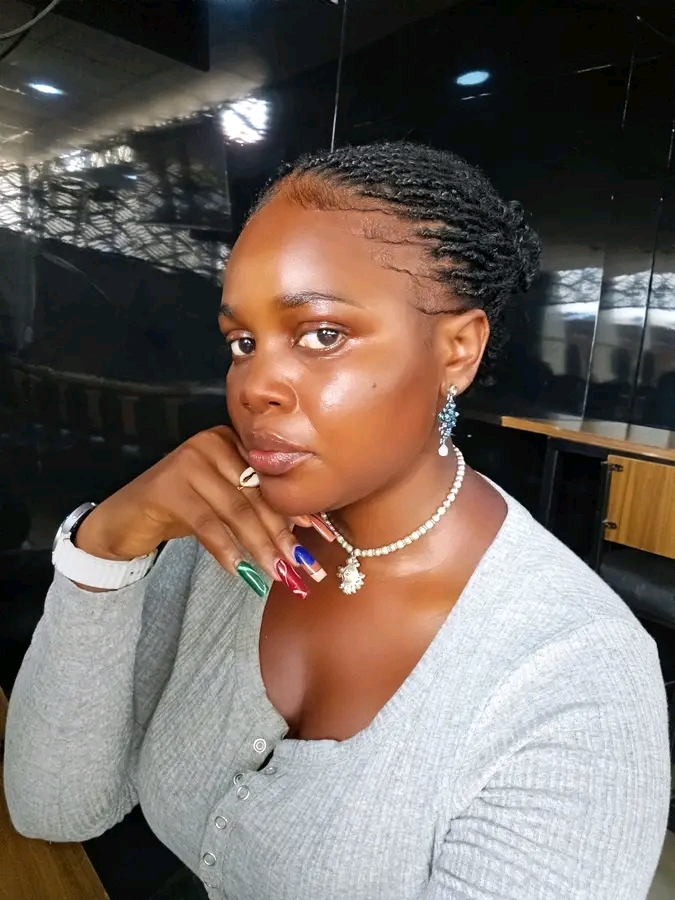
Political commentator Iniobong Udoh II has raised concerns over what she described as a growing pattern of psychological and religious influence allegedly aimed at discouraging Nigerians from believing in political change ahead of the 2027 elections.
According to her, several sermons, church programmes, and public comments from prominent clerics in Lagos appear strategically framed to weaken public confidence in voting and democratic participation.
She alleged that many influential pastors now subtly acknowledge that opposition figures such as or emerging political movements may represent competence and better leadership, but often conclude with statements suggesting they cannot win or that the next president has already been divinely chosen.
Referencing comments attributed to and , she argued that the messaging pattern appears too coordinated to be dismissed as coincidence.
“This is not direct political campaigning. It is emotional demobilization,” she stated, warning that such narratives could psychologically condition citizens to believe resistance or electoral participation is pointless.
She maintained that the worsening economic situation in the country — including rising fuel prices, inflation, unstable electricity, increasing school fees, and business closures — has made it difficult for the ruling establishment to defend its performance before Nigerians.
According to her, the alleged alternative strategy is to target the psychology of voters by weakening hope and convincing citizens that meaningful change is impossible.
“They know votes matter, and they know people matter. That is why psychological warfare is becoming more visible,” she said.
Iniobong Udoh further cautioned Nigerians against accepting every political message delivered from the pulpit without critical reflection, insisting that faith should not replace civic responsibility.
While affirming belief in God and the importance of prayer, she stressed that elections are ultimately determined by the choices of citizens.
“God will not come down from heaven to thumbprint ballot papers. Nigerians will,” she stated.
She also argued that some religious leaders benefit from a struggling society because desperation often increases emotional and financial dependence on religious institutions.
The comments have sparked reactions across social media, with supporters agreeing that religion can be used to shape political emotions, while critics insist clerics have the constitutional right to speak on national affairs.
As political activities ahead of 2027 gradually intensify, debates over the role of religion, influence, and voter psychology in Nigeria’s democracy continue to grow.


