


Former political figure, Abdullahi Maigari, has claimed that the exit of former presidential candidate Peter Obi from the African Democratic Congress (ADC) could significantly affect the long-standing agitation for an Igbo presidency, potentially setting the ambition back by as much as 20 years.
Maigari made the remarks while reacting to recent political developments involving realignments within opposition parties ahead of future elections. He suggested that Obi’s movement away from the ADC could weaken regional political momentum tied to the push for power rotation.
According to him, Obi’s presence in a major opposition platform had previously been seen as a unifying factor for the South-East’s presidential ambition, and his departure could alter strategic calculations within Nigeria’s political landscape.
The African Democratic Congress (ADC) has recently been at the centre of political discussions as key figures reposition themselves in anticipation of the 2027 general elections. Internal disagreements and shifting alliances have contributed to ongoing uncertainty within the party.
Peter Obi, who contested the 2023 presidential election under the Labour Party, remains a prominent figure in Nigeria’s opposition politics and continues to command significant followership, particularly among younger voters and supporters in the South-East.
Maigari’s comments have sparked debate among political observers, with some agreeing that party structure plays a critical role in presidential viability, while others argue that individual popularity and grassroots support are increasingly important in modern Nigerian elections.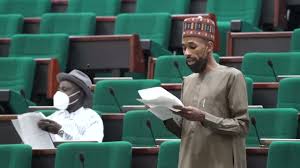
Some analysts note that discussions around zoning and regional presidency have remained a recurring theme in Nigerian politics, often influencing alliances, party negotiations, and electoral strategies ahead of major elections.
However, critics caution against drawing long-term conclusions from current political realignments, noting that Nigeria’s political environment is highly fluid and subject to rapid changes as election cycles approach.
As preparations for future elections gradually intensify, attention remains focused on how opposition parties and key political figures will position themselves in an evolving and competitive political landscape.


