

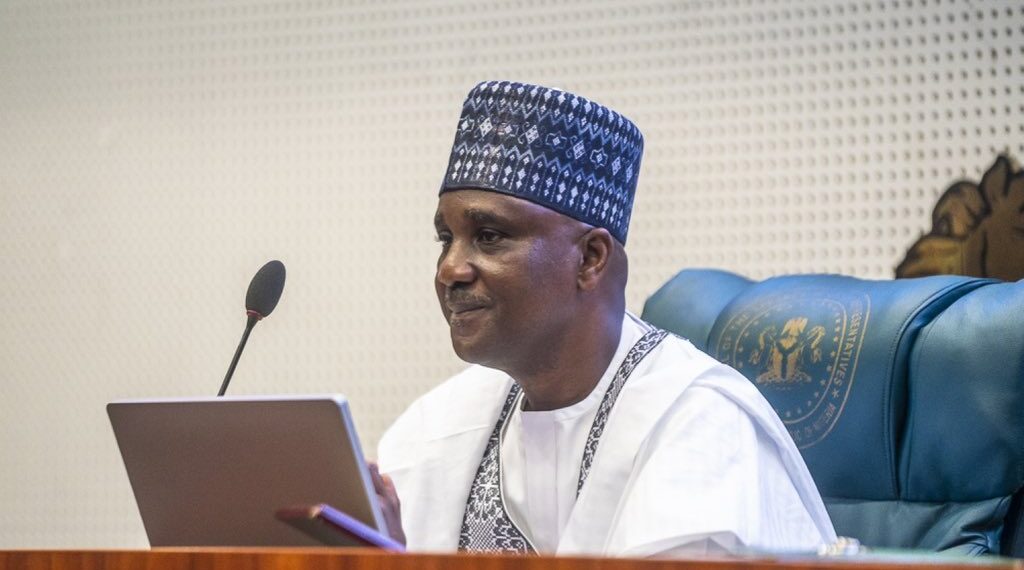
Internal tensions are reportedly mounting within the All Progressives Congress (APC) in Kaduna State following concerns raised by a party chieftain over the alleged inaccessibility of the Speaker of the House of Representatives, Tajudeen Abbas.
The APC leader, said to be from Zaria, warned that growing frustration among party members and supporters could have electoral consequences for the ruling party in the 2027 general elections. According to the chieftain, many stakeholders have found it difficult to reach the Speaker, raising concerns about a perceived disconnect between leadership and the grassroots.
The criticism centers on claims that Abbas has not maintained sufficient engagement with constituents and party loyalists in the North-West region, an area traditionally considered a stronghold for the APC. The chieftain further alleged that expectations for development and political inclusion have not been adequately met.
Among the issues highlighted were concerns about the effectiveness of empowerment programmes and the state of agriculture in the region. The party figure suggested that limited economic opportunities and declining support for farmers have contributed to dissatisfaction among supporters.
“These are people who worked for the party and expect to feel the impact of governance,” the chieftain reportedly said, warning that neglecting grassroots engagement could weaken the party’s base.
However, the allegations have been partially contested at the local level. Jamil Mohammed, chairman of Zaria Local Government, denied claims that he had blocked access to the Speaker or acted as a gatekeeper. He maintained that there has been no deliberate attempt to restrict communication between Abbas and constituents.
The development highlights emerging internal challenges within the APC as political actors begin positioning themselves ahead of the next election cycle. Analysts note that intra-party disagreements, if not addressed, can erode cohesion and weaken electoral strength.
Political observers say accessibility and grassroots connection remain critical factors in Nigerian politics, particularly in regions where voter loyalty is closely tied to perceived performance and engagement.
“Elections are not won only at the top—they are sustained at the base,” one analyst remarked. “When party members feel excluded, it creates openings for opposition forces.”
As of now, Speaker Abbas has not publicly responded to the allegations. It also remains unclear whether the party leadership at the national level will intervene to address the concerns raised.
The situation in Kaduna reflects a broader dynamic within Nigerian politics, where internal party unity often plays a decisive role in electoral outcomes. With 2027 on the horizon, how the APC manages such grievances may prove crucial to maintaining its influence in key regions.
For party stakeholders, the unfolding tension serves as a reminder that political success depends not only on national strategy but also on sustained engagement with the grassroots base.


