

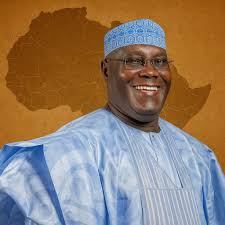
A new political commentary has reignited debate over the career of former Vice President Atiku Abubakar, arguing that a series of strategic missteps over the years has limited his chances of attaining Nigeria’s presidency.
In the analysis titled “Atiku and the Three Offsides: A Political Obituary of Missed Chances,” author Isaac O. Obakpee reviews key moments in Nigeria’s political history where Atiku was seen as a strong contender but ultimately fell short.
The piece highlights three critical periods, beginning with Atiku’s time under former President Olusegun Obasanjo between 1999 and 2007. According to the analysis, tensions between the two leaders during the controversial third-term agenda weakened Atiku’s position within the Peoples Democratic Party (PDP), eventually costing him the party’s presidential ticket ahead of the 2007 elections.
The second moment cited is the lead-up to the 2015 elections, during which Atiku defected from the PDP to the All Progressives Congress (APC). The move, intended to bolster his presidential ambitions, instead saw him lose the party’s primary to Muhammadu Buhari. The analysis further draws parallels with the 2023 elections, where internal divisions within the PDP, including opposition from the “G5” governors, were said to have weakened his campaign against eventual winner Bola Ahmed Tinubu.
A third turning point identified in the commentary relates to Atiku’s choice of running mate in the 2023 election. The author argues that bypassing Nyesom Wike contributed to the breakdown of alliances within the party, further undermining his electoral prospects.
The article concludes that, at 83, Atiku’s future political relevance may lie less in contesting elections and more in influencing outcomes as a political power broker. It suggests that his next steps—whether aligning with emerging opposition figures or maintaining an independent stance—could shape the dynamics of future elections, particularly within platforms such as the African Democratic Congress (ADC).
While the analysis reflects one perspective, it has sparked renewed discussion among political observers about Atiku’s legacy, strategic decisions, and potential role in Nigeria’s evolving political landscape ahead of the 2027 general elections.


