

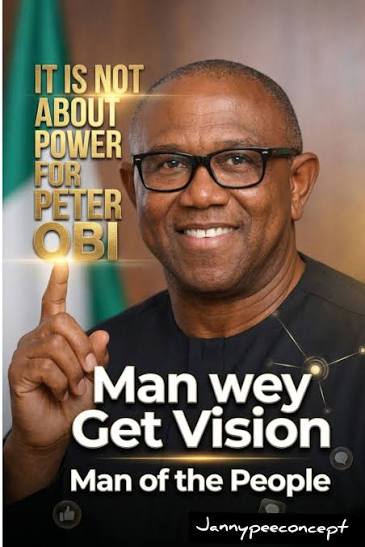
A recent commentary by Nigerian writer Tai Emeka Obasi has reignited debate over claims that Igbo support for Peter Obi is driven by ethnic bias.
In the piece, Obasi rejected assertions from some quarters that the voting pattern of Igbo electorates reflects ethnic bigotry, arguing instead that historical electoral trends show a consistent preference for candidates perceived as competent, regardless of ethnic background.
The article referenced Nigeria’s 1993 presidential election, widely regarded as one of the country’s most credible polls, conducted under the supervision of Humphrey Nwosu. According to the writer, voters in the Southeast supported the late MKO Abiola despite the presence of an Igbo vice-presidential candidate on the opposing ticket.
Obasi further cited voting outcomes in subsequent elections, noting that candidates such as Olusegun Obasanjo, Umaru Musa Yar’Adua, Goodluck Jonathan, and Atiku Abubakar all received overwhelming support in the Southeast at different times, regardless of ethnic considerations.
The commentary argued that the strong backing for Obi in the 2023 presidential election should be viewed within this broader historical context, rather than as an isolated instance of ethnic alignment.
The article also highlighted endorsements of Obi by prominent Nigerians from diverse backgrounds, including former presidents Olusegun Obasanjo and Goodluck Jonathan, as well as late Afenifere leader Ayo Adebanjo. It also mentioned support from public figures such as Dele Farotimi and Aisha Yesufu.
According to the writer, such cross-regional backing challenges the narrative that Obi’s support base is primarily ethnic, suggesting instead that it reflects broader concerns about governance, economic management, and national development.
The piece concluded by urging a shift away from ethnic interpretations of political choices, emphasizing that issues such as economic hardship and insecurity affect Nigerians across all regions and should guide electoral decisions.
The debate continues to generate mixed reactions among political observers, reflecting ongoing tensions around identity, governance, and voter behavior in Nigeria’s evolving democratic landscape.


