

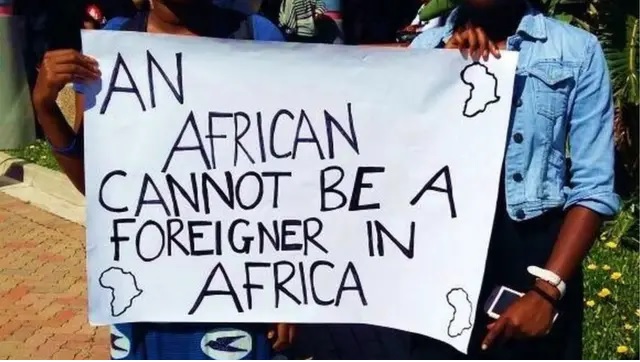
Fresh concerns over xenophobic violence have resurfaced in South Africa, raising alarm for Nigerians and other African migrants living in the country, as tensions once again threaten to erupt into violence.
Reports from affected communities indicate growing hostility toward foreign nationals, with isolated incidents of intimidation, harassment, and threats being recorded in parts of the country. While large-scale attacks have not yet been confirmed, the rising rhetoric and sporadic clashes have heightened fears of a possible escalation similar to previous outbreaks.
South Africa has a history of xenophobic violence, with major incidents recorded in 2008, 2015, and 2019, during which dozens of people were killed and thousands displaced. Foreign-owned businesses were looted and destroyed, leaving many migrants—particularly from Nigeria, Zimbabwe, Mozambique, and other African countries—vulnerable and economically devastated.
The latest wave of concern comes amid ongoing economic challenges in South Africa, including high unemployment rates, rising living costs, and social inequality. Analysts say such conditions often fuel resentment toward migrants, who are sometimes blamed—rightly or wrongly—for competition over jobs and limited resources.
Nigerians living in South Africa are among those most affected by the renewed tension. Community leaders have urged caution, advising members to remain vigilant, avoid high-risk areas, and maintain close contact with local authorities and diplomatic missions.
The Nigerian High Commission in South Africa has reportedly begun monitoring the situation closely, with officials emphasizing the importance of ensuring the safety of Nigerian citizens. In previous incidents, the Nigerian government has taken steps such as evacuation arrangements and diplomatic engagement to address the crisis.
South African authorities, for their part, have called for calm and reiterated their commitment to protecting all residents, regardless of nationality. Law enforcement agencies have been placed on alert in areas considered vulnerable, with efforts underway to prevent violence from escalating.
President Cyril Ramaphosa has previously condemned xenophobic attacks, describing them as unacceptable and contrary to the country’s values. Government officials have also stressed that criminal acts should not be conflated with immigration issues, urging communities to resolve grievances peacefully.
However, critics argue that more needs to be done to address the root causes of xenophobia, including unemployment, poverty, and misinformation. They also point to the need for stronger community engagement and more effective law enforcement to deter potential attackers.
Human rights organizations have warned that even the threat of violence can have serious consequences, including psychological distress and economic disruption for migrant communities. Many foreign nationals rely on small businesses for their livelihoods, making them particularly vulnerable during periods of unrest.
The situation has also drawn attention across the African continent, with calls for solidarity and stronger regional cooperation to protect migrants’ rights. Some observers have urged African leaders to address the issue collectively, emphasizing the importance of unity within the continent.
As tensions continue to simmer, the priority remains preventing a repeat of past tragedies. For Nigerians and other migrants in South Africa, the current climate serves as a stark reminder of the uncertainties they face—and the urgent need for sustained efforts to promote tolerance, inclusion, and security for all.


