

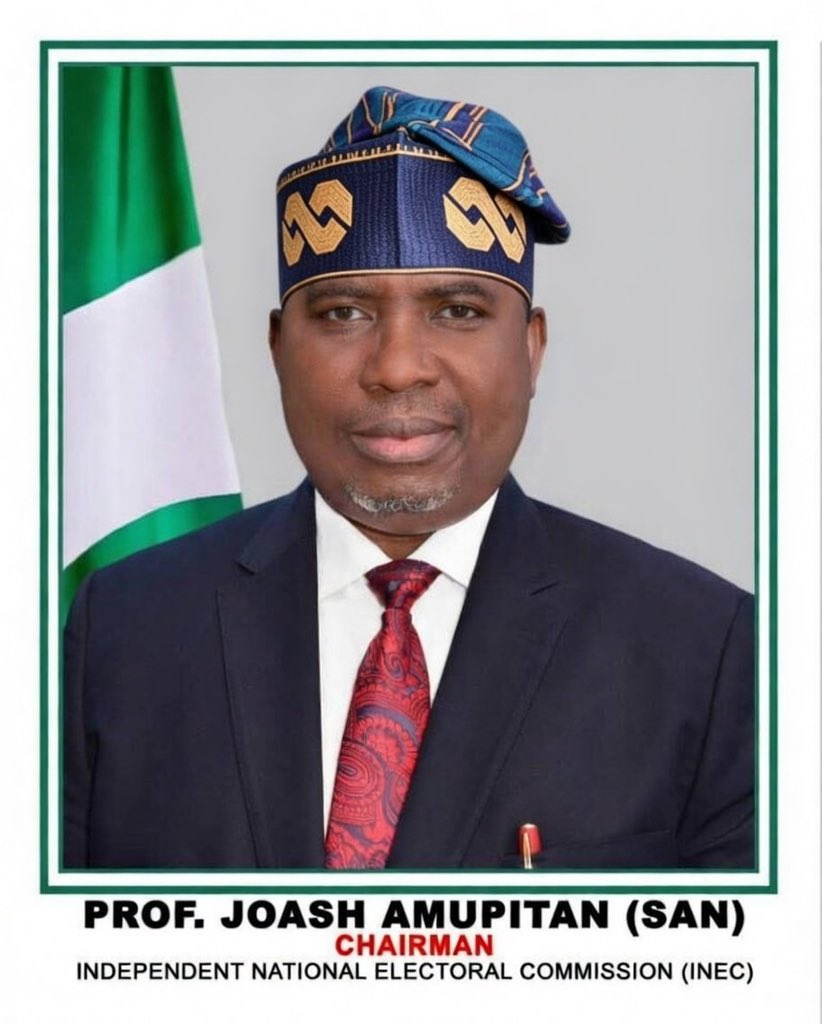
Kano — The call for the removal of the Chairman of the Independent National Electoral Commission (INEC), Prof. Joash Amupitan, has taken a sharper political and religious dimension, as Kano-based APC stakeholder, Hon. Hassan Bawa, intensifies his criticism.
Bawa did not merely question the competence of the INEC chairman; he framed the appointment as deeply offensive to a section of the country, alleging it undermines religious balance and inclusivity in national institutions. By describing the appointment as “an insult to Nigerian Muslims,” he introduced a sensitive identity-based argument into what is typically expected to be a non-partisan electoral office.
His warning to President Bola Ahmed Tinubu carries significant political weight. Bawa suggested that failure to remove Amupitan could erode trust within the APC’s northern base — a critical voting bloc — and potentially weaken the party’s cohesion ahead of the 2027 general elections. According to him, the perception that the administration is ignoring such concerns could fuel internal dissent and voter apathy.
The use of the term “liability” signals deeper anxieties within segments of the party about electoral credibility and public perception. INEC, as the body responsible for conducting elections, is expected to maintain strict neutrality. Any controversy surrounding its leadership — whether political, regional, or religious — risks undermining confidence in the electoral process.
Observers note that such statements may also reflect broader internal pressures within the APC, where differing factions are beginning to position themselves early in the build-up to 2027. The criticism could therefore be part of a larger struggle over influence, narrative control, and alignment within the ruling party.
However, the remarks are likely to generate backlash, particularly from those who argue that appointments to institutions like INEC should be based on competence, integrity, and constitutional provisions — not religious or political considerations. Critics may also warn that injecting sectarian rhetoric into electoral discourse could heighten tensions in an already polarized environment.
As of now, there has been no official response from the presidency or the Independent National Electoral Commission regarding the allegations. The situation nonetheless underscores the fragile intersection of politics, identity, and institutional trust in Nigeria’s evolving democratic landscape.


