

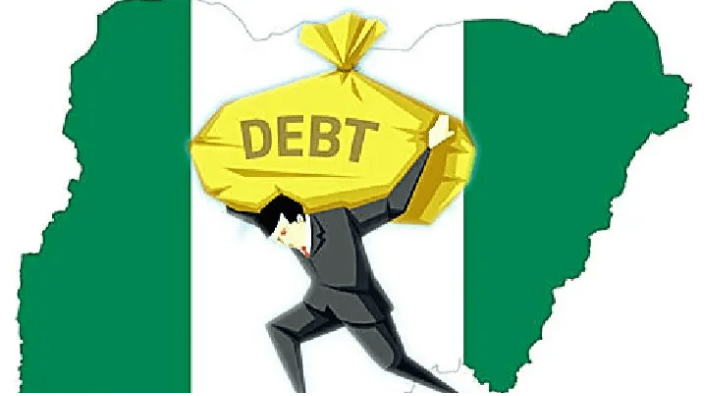
Nigeria’s mounting public debt has reached a staggering level, with new analysis revealing that the country’s total liability of N159.28 trillion as of December 31, 2025, translates to an average debt burden of approximately N724,000 per citizen.
The figure, derived from data reported by Daily Trust, underscores growing concerns among economists and policy analysts about the sustainability of Nigeria’s fiscal position amid persistent economic challenges.
Nigeria, Africa’s most populous nation, has continued to rely heavily on both domestic and external borrowing to finance budget deficits, infrastructure projects, and public sector obligations. While government officials maintain that borrowing is necessary to stimulate growth and bridge funding gaps, critics argue that the rising debt profile poses significant risks to long-term economic stability.
Experts note that the per capita debt estimate—N724,000 per Nigerian—offers a stark illustration of the burden placed on citizens, many of whom are already grappling with high living costs, unemployment, and declining purchasing power.
Data from the Debt Management Office (DMO) indicates that Nigeria’s debt has grown significantly over the past decade, driven by successive administrations’ borrowing strategies. The increase has been fueled by factors such as fluctuating oil revenues, currency depreciation, and expanding fiscal deficits.
Economic analysts warn that the rising debt servicing costs are consuming a substantial portion of government revenue, leaving limited resources for critical sectors such as healthcare, education, and infrastructure. In recent fiscal reports, debt servicing has reportedly exceeded government earnings in certain periods, raising alarms about fiscal sustainability.
“This trend is not just about numbers; it is about the future of economic governance,” a financial expert in Abuja said. “When a country spends more on servicing debt than on development, it signals a structural problem that must be urgently addressed.”
The situation has been further complicated by exchange rate volatility. With a significant portion of Nigeria’s debt denominated in foreign currencies, the depreciation of the naira has increased the real cost of repayment, placing additional pressure on public finances.
Despite these concerns, government officials insist that Nigeria’s debt-to-GDP ratio remains within manageable limits compared to global benchmarks. They argue that the country still has borrowing headroom and emphasize ongoing efforts to boost revenue generation through tax reforms and diversification of the economy.
However, critics counter that focusing solely on debt-to-GDP ratios overlooks the more pressing issue of low revenue generation, which limits the government’s capacity to service its obligations without resorting to further borrowing.
For ordinary Nigerians, the implications of rising public debt are becoming increasingly tangible. From higher taxes to reduced public services and inflationary pressures, the ripple effects are felt across households and businesses alike.
As debates intensify over Nigeria’s fiscal direction, economists are calling for a balanced approach that combines prudent borrowing with aggressive revenue mobilization, improved transparency, and effective utilization of borrowed funds.
With the country navigating a complex economic landscape, the N159.28 trillion debt figure stands as a sobering reminder of the challenges ahead—and the urgent need for policies that will secure Nigeria’s financial future while easing the burden on its citizens.


