

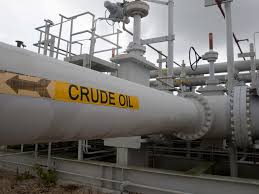
Global markets are facing renewed inflation concerns following a sharp rise in oil prices, a development that analysts warn could slow economic recovery and increase the cost of living in many countries.
The recent surge in the price of Brent Crude Oil has been driven by a combination of geopolitical tensions, supply constraints, and growing global demand. Energy analysts say these factors have tightened supply in international markets, pushing prices upward and raising fears of broader economic consequences.
According to market observers, production decisions by Organization of the Petroleum Exporting Countries and its allied producers have played a significant role in influencing current price levels. While some member states have maintained production limits to stabilize markets, others are struggling to meet output targets due to operational and political challenges.
The increase in oil prices has a direct impact on inflation because energy costs affect nearly every sector of the economy, from transportation and manufacturing to food production. Higher fuel costs typically translate into increased shipping and logistics expenses, which are often passed on to consumers in the form of higher prices for goods and services.
Economic experts at the International Monetary Fund warn that sustained increases in oil prices could complicate efforts by central banks to control inflation. Many economies are still navigating the aftermath of pandemic-era disruptions, and a prolonged energy price spike could place additional strain on household budgets and business operations.
In emerging markets, where fuel subsidies and energy imports play a critical role in national budgets, the effects may be particularly severe. Governments may face difficult policy choices between maintaining subsidies to protect consumers or allowing domestic fuel prices to rise, potentially triggering social and political pressures.
Financial markets have also reacted cautiously to the oil rally. Investors are closely monitoring how higher energy prices might influence global interest rates, consumer spending, and overall economic growth.
Despite the challenges, some analysts argue that elevated oil prices could encourage faster investment in renewable energy and energy diversification strategies. As governments and corporations seek long-term solutions to energy volatility, the current market pressures may accelerate the transition toward cleaner and more stable energy sources.
For now, however, the surge in oil prices remains a key factor shaping the global economic outlook, with policymakers, businesses, and consumers watching closely for further developments in the energy market.


