

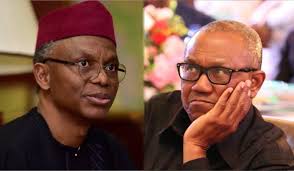
As Nigeria’s political landscape gradually shifts toward the 2027 general elections, attention is turning to the potential presidential bid of former Anambra State governor, Peter Obi. Obi, who ran under the Labour Party in 2023, is widely expected to seek the presidency again.
Many of his supporters maintain that the 2023 election was flawed, a conviction that continues to shape political discourse within his base. Obi’s performance in that contest — including his victory in Lagos, long regarded as the political stronghold of President Bola Ahmed Tinubu — was seen as a significant upset and underscored his national appeal beyond traditional regional lines.
However, political analysts note that electoral success in Nigeria depends not only on public sentiment and symbolic victories but also on extensive nationwide organization and financial capacity. Presidential campaigns require the deployment of agents across more than 176,000 polling units, coordinated state and local structures, legal teams prepared for electoral disputes, broad media outreach, coalition-building efforts, transportation logistics, and real-time vote collation systems.
Such operations demand substantial and sustained funding, making financial resources and grassroots infrastructure critical components of any viable campaign.
Obi has positioned himself as a leading critic of the Tinubu administration’s economic policies, amid rising inflation, unemployment and cost-of-living pressures affecting many Nigerians. While economic hardship can influence voter sentiment, incumbency traditionally confers structural advantages, including access to established political networks and institutional leverage.
Reports indicate that Obi may align with the African Democratic Congress (ADC) following internal disputes within the Labour Party. However, that path could present new challenges. Former Vice President Atiku Abubakar, an experienced political figure with multiple presidential bids, is also active within opposition circles. Negotiations over party tickets, zoning arrangements and coalition leadership are expected to shape the pre-election landscape.
Political observers suggest that three elements will likely determine the outcome of the 2027 race: narrative appeal, organizational structure and financial resources. Obi is widely credited with commanding a strong reform-oriented message, particularly among younger voters. Tinubu is viewed as possessing deep political networks built over decades. Atiku, meanwhile, is seen as an experienced coalition builder.
With nearly two years to the next presidential contest, analysts say the opposition’s ability to consolidate structures, mobilize funding and forge durable alliances will be crucial. As Nigeria prepares for another high-stakes election cycle, the 2027 race is expected to test not only popular enthusiasm but also the organizational depth and financial strength of the major contenders.


