

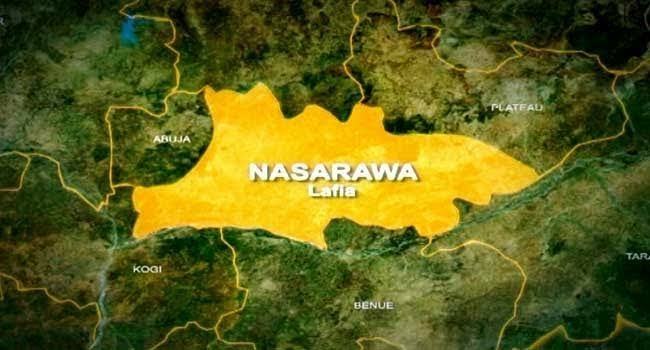
The Nasarawa State Ministry of Health has adopted the Federal Government’s Health National Adaptation Plan for 2025–2030 as part of efforts to strengthen the state’s health system against the growing effects of climate change.
The adoption was announced on Friday in Lafia during a one-day stakeholders’ validation workshop for the state’s Health State Adaptation Plan. The plan is designed to integrate climate-change adaptation into health policies, programmes and infrastructure development.
Speaking at the workshop, the State Desk Officer for Climate Change and Health, Dr Godwin Ewuga, said climate change was already contributing to several health challenges in the state.
According to him, extreme weather events such as flooding could disrupt healthcare services and cause injuries and deaths, while changing environmental conditions could increase the spread of waterborne, foodborne and vector-borne diseases, including malaria.
Ewuga also warned that rising temperatures and heat stress could worsen the health conditions of people living with pre-existing illnesses such as hypertension, heart and kidney diseases and asthma.
He explained that the state adaptation plan was developed from evidence on the impact of climate change on the health sector and contains interventions intended to address identified vulnerabilities over a five-year period.
The plan, he said, identifies the effects of climate change on health infrastructure and the wider health system while outlining specific interventions, implementation measures and responsibilities.
“The HSAP contains evidences of climate impact on health, health infrastructure, and the health system, and then, assigned interventions that will help address those challenges in the health sector,” Ewuga said.
He added that the document would be presented for approval by the state government, after which the Ministry of Health would begin implementation.
The Permanent Secretary of the Nasarawa State Ministry of Health, Dr Ibrahim Alhassan, said the document had taken about 20 months to prepare.
He described the validation exercise as an important stage in the process, noting that several government institutions and development stakeholders contributed to the preparation of the plan.
Participants included representatives of the ministries responsible for health, budget and planning, livestock, agriculture and human capital development, as well as officials from the Nigerian Meteorological Agency, Renewable Energy Commission and the Nigerian Red Cross Society.
Alhassan said the participation of different sectors was necessary because climate-related health challenges extend beyond the traditional healthcare system and require coordinated responses.
The Director of Public Health in the state, Dr Peter Attah, said Nasarawa was among the first 15 states in Nigeria to develop its own Health State Adaptation Plan.
He said the document was ready for submission to Governor Abdullahi Sule for approval and that the Ministry of Health would proceed with implementation once the necessary authorisation was obtained.
The state initiative aligns with the Federal Government’s broader Health National Adaptation Plan for 2025–2030, which provides a national framework for helping Nigeria’s health sector prepare for and respond to climate-related risks. The Federal Ministry of Health and Social Welfare lists the plan among its official climate-change policy resources.
Climate change poses multiple risks to healthcare delivery, including damage to health facilities during extreme weather events, disruption of access to essential services and increased exposure to infectious diseases.
For Nasarawa, the proposed adaptation plan is expected to provide a framework for identifying vulnerable communities and health infrastructure and developing measures to reduce the impact of climate-related emergencies.
However, the plan’s effectiveness will depend on its approval, funding and implementation across the relevant sectors.
The state government is therefore expected to translate the recommendations in the document into practical measures that can strengthen healthcare infrastructure and protect vulnerable populations from climate-related health risks.
The validation exercise marks another step in Nasarawa’s efforts to incorporate climate considerations into public health planning and prepare the state’s health system for the effects of changing weather and environmental conditions.


