

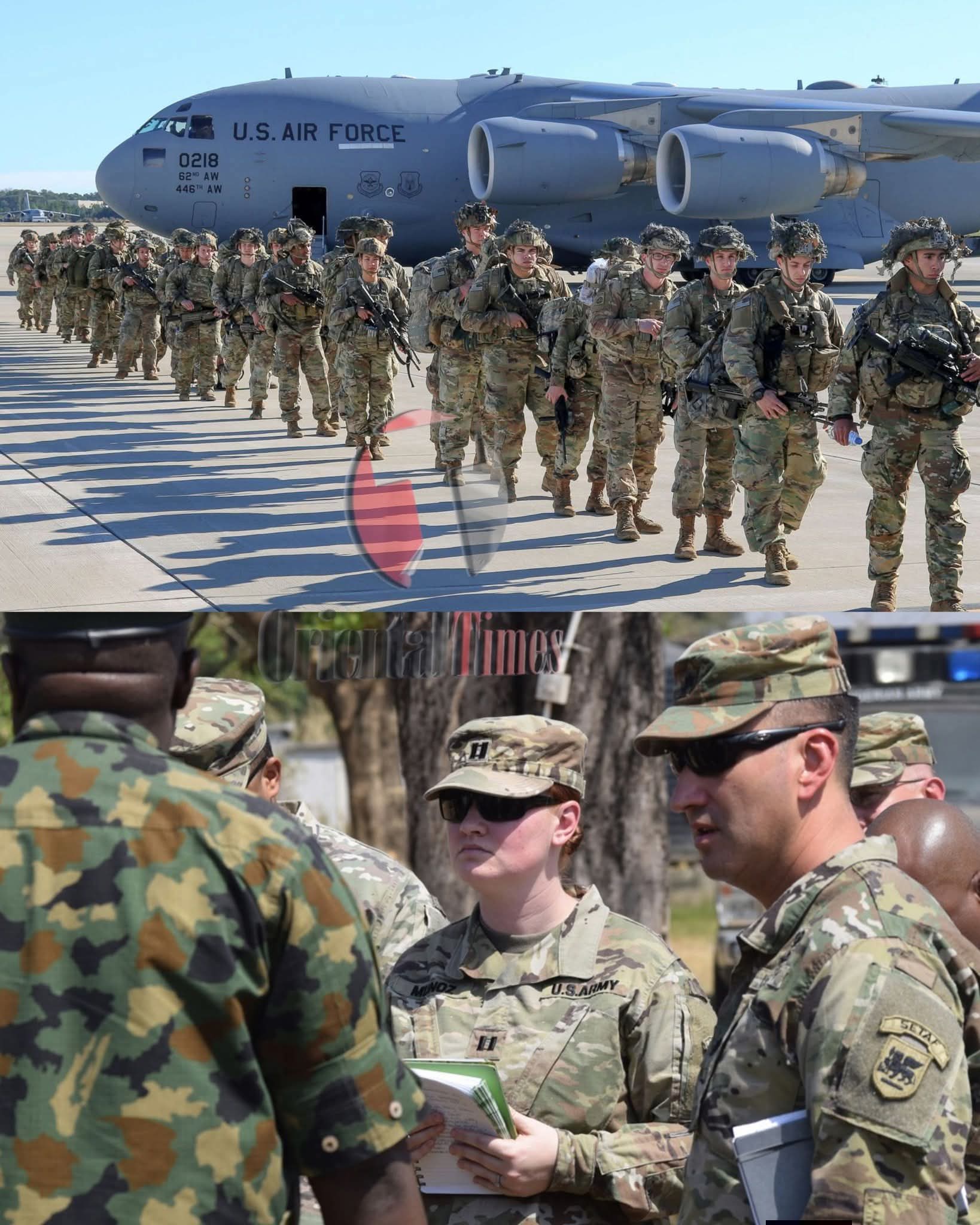
Abuja, Nigeria — In a significant escalation of international cooperation against terrorism in West Africa, the United States has deployed a small team of military personnel to Nigeria to support the country’s ongoing fight against violent extremist groups, U.S. and Nigerian officials have confirmed.
Official Confirmation of Deployment
The U.S. Africa Command (AFRICOM) announced that the deployment follows a series of high-level discussions between U.S. military leaders and the Nigerian government. General Dagvin R.M. Anderson, head of AFRICOM, said during a public briefing that the team brings “unique capabilities” to augment Nigeria’s longstanding efforts against Islamic militant groups. Official sources say the detail and size of the team have not been fully disclosed.
The deployment marks the first official acknowledgment of U.S. forces on the ground in Nigeria since American forces carried out airstrikes against militant targets in late December 2025.
Scope and Purpose of the Deployment
While AFRICOM has not released detailed information on specific personnel numbers or precise missions, multiple reports indicate the U.S. team will:
- Support intelligence gathering and analysis to help Nigerian forces better locate and track armed extremist groups.
- Enhance operational coordination between U.S. and Nigerian security forces as part of broader counter-terrorism cooperation.
- Provide advisory assistance and technical support rather than direct large-scale combat operations. Analysts suggest the role is primarily to enable and complement Nigerian military action rather than supplant it.
Officials have been cautious, describing the presence as targeted and limited, with an emphasis on intelligence, training, and capability augmentation rather than direct combat engagement.
Context of the Decision
The deployment comes against the backdrop of rising militant violence in Nigeria, particularly linked to Boko Haram and the Islamic State West Africa Province (ISWAP). Both groups have carried out deadly attacks on military convoys, communities, and civilians for nearly two decades.
U.S.–Nigeria security cooperation has recently intensified following U.S. airstrikes on militant sites in Nigeria in December 2025 — a move that signaled Washington’s willingness to take more direct action after years of surveillance and support missions.
Nigeria’s Defence Minister Christopher Musa has acknowledged the U.S. team’s presence, though like U.S. officials he has refrained from providing operational specifics.
Bilateral Relations and Security Strategy
The deployment underscores growing bilateral military cooperation between Nigeria and the United States, even as debate continues domestically in both countries over sovereignty, the role of foreign forces, and the best strategies for combating extremist violence.
In recent months:
- U.S. political leaders have publicly criticized Nigeria’s handling of security challenges, at times applying diplomatic pressure.
- Nigerian lawmakers have sought briefings from government officials on U.S. involvement to ensure constitutional oversight and respect for national sovereignty.
Despite differing perspectives, both governments have emphasized that the partnership is aimed at strengthening Nigeria’s own capacity to confront terrorism and violent extremism within its borders.
Broader Regional Implications
The U.S. deployment reflects a larger American strategic focus on counter-terrorism in Africa, where extremist groups have expanded their influence across the Sahel and Lake Chad basin region. Nigeria, as the continent’s most populous country and a key regional power, is central to broader efforts to curb militant activity.
Experts say the presence of U.S. forces — even in a limited capacity — could enhance intelligence links, improve operational planning, and support joint missions with Nigerian forces, potentially influencing the regional security landscape. However, they also caution that long-term success will require sustained engagement, greater local capacity building, and careful management of national sovereignty concerns.