

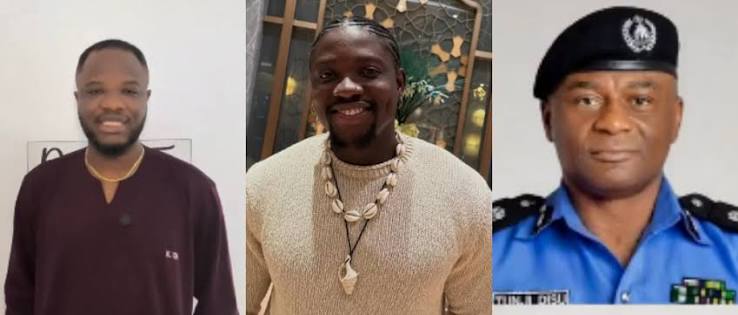
Nigerian comedian and social media influencer Aderombi Adedayo Martins, popularly known as DeeOne, has criticised Inspector-General of Police Tunji Disu over the alleged failure of the Nigeria Police Force to arrest social media activist Martins Vincent Otse, better known as VeryDarkMan.
DeeOne raised the issue in a video shared on Instagram while reacting to VeryDarkMan’s reported refusal to honour a police invitation for questioning.
The comedian questioned why the activist had allegedly not been arrested after reportedly declining two invitations from the police. He compared the situation with the recent cases involving former Big Brother Naija housemate Tacha and businessman Blord, who were reportedly arrested after failing to honour police invitations.
Arguing that law enforcement should apply the same standards to everyone, regardless of their public profile, DeeOne directly challenged the police leadership over its handling of the matter.
“What is good for a citizen is also good for all citizens,” he said.
DeeOne further alleged that approval had been given for VeryDarkMan’s arrest but claimed that IGP Disu was delaying the process. He questioned whether the police chief was acting in the interest of the public or giving the activist preferential treatment.
“So, Nigerians, is this man working for Nigerians or working for VeryDarkMan?” DeeOne asked.
The comedian also warned that he would continue discussing the matter publicly and suggested that he could raise questions about the IGP’s performance if the controversy persisted.
However, DeeOne’s claims about an approved arrest and alleged intervention by the IGP have not been independently established in the reports reviewed. There was also no immediate public response from the Nigeria Police Force or IGP Disu addressing the allegations.
The controversy follows VeryDarkMan’s reported decision not to honour a police invitation issued after he made allegations concerning Assistant Inspector-General of Police Jimoh Moshood.
The development has sparked renewed public debate about police invitations, equal treatment under the law and the responsibilities of public figures when responding to law-enforcement authorities.


