

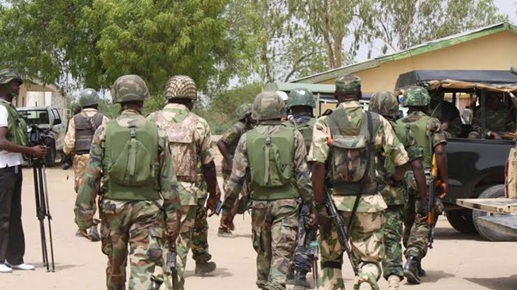
Troops of the Joint Task Force North West, Operation FANSAN YAMMA, have recovered and safely disposed of an Improvised Explosive Device allegedly planted by terrorists along a major access route in Bukkuyum Local Government Area of Zamfara State.
The discovery has raised fresh concerns over the evolving tactics of armed groups operating in the North-West, where communities have continued to face threats from terrorism, banditry and kidnapping.
According to the military, the explosive device was identified along a major access route used by residents and motorists in the area. Troops subsequently secured the location and safely disposed of the device, preventing what could have been a potentially deadly attack.
The operation demonstrates the growing use of improvised explosive devices by criminal and terrorist groups seeking to target security personnel and civilians.
IEDs are particularly dangerous because they can be concealed along roads and detonated remotely or through contact, posing a significant threat to unsuspecting travellers.
The military’s successful recovery of the device therefore potentially prevented casualties and disruption along the route.
The operation was carried out under Operation FANSAN YAMMA, the military’s broader effort to combat armed groups and restore stability across the North-West.
Zamfara remains one of the states most severely affected by insecurity in the region.
Residents have endured years of attacks by armed groups involved in kidnapping, cattle rustling, killings and other criminal activities.
The deployment of explosives represents another layer of danger for communities already struggling with the threat of abduction and armed attacks.
The latest incident also highlights the importance of intelligence gathering and cooperation between security forces and local communities.
The ability of troops to detect an explosive before it is detonated can depend heavily on timely information about suspicious movements or objects along vulnerable routes.
Security agencies have repeatedly encouraged residents to report suspicious activities and avoid approaching unidentified objects that may be explosive devices.
Experts have warned that civilians should never attempt to touch, move or inspect suspected explosives because doing so could trigger detonation.
Instead, such discoveries should immediately be reported to security personnel, while people in the vicinity should move to a safe distance.
The military’s intervention in Bukkuyum underscores the importance of maintaining vigilance along major roads connecting communities in areas affected by insecurity.
Roads and access routes are critical to rural economies because they facilitate the movement of people, agricultural produce and essential goods.
When armed groups target such routes, the consequences can extend beyond immediate security concerns to affect trade and livelihoods.
Farmers may become reluctant to travel to their farms, traders may avoid affected areas and transport operators may increase fares to compensate for perceived risks.
The successful disposal of the IED therefore provides immediate reassurance to residents and road users in the affected area.
However, the discovery also indicates that armed groups remain capable of adapting their tactics despite sustained military operations.
Security forces will consequently need to combine patrols with intelligence-led operations to identify and dismantle the networks responsible for producing, transporting and planting explosive devices.
Countering IED threats also requires specialised equipment, trained personnel and close coordination among military formations and other security agencies.
Community engagement remains equally important.
Residents are often the first to notice unusual activity, unfamiliar persons or suspicious objects in their communities. Building trust between civilians and security personnel can encourage faster reporting and potentially prevent attacks.
The military’s success in safely recovering the device should therefore not lead to complacency.
Rather, it serves as a reminder that the security threat remains active and that vigilance is essential.
For the people of Bukkuyum, the immediate danger has been removed, and motorists can continue using the route without the specific threat posed by the recovered device.
But the broader security challenge remains.
As Operation FANSAN YAMMA continues its operations across the North-West, authorities will face the task of preventing armed groups from establishing new methods of attacking communities and security forces.
The incident ultimately demonstrates the importance of proactive security operations.
An explosive device that was discovered before detonation may have prevented deaths, injuries and significant disruption.
The challenge now is to ensure that similar devices are detected before they become tragedies and that those responsible are identified and brought to justice.


