

No fewer than 7,825 people were abducted across Nigeria between July 2025 and June 2026, while at least 1,142 people were killed in 1,713 kidnapping and related incidents recorded during the period, according to a new report by SBM Intelligence.
The report, titled The Capture of the Kidnap Economy, also revealed that Nigerians paid approximately N7.8 billion in ransom to kidnappers during the 12-month period, underscoring the growing financial dimension of the country’s insecurity crisis.
The findings have renewed concerns among security experts who warned that ransom payments are helping criminal groups strengthen their operations, acquire weapons and recruit more members.
According to SBM Intelligence, while the total ransom demanded by kidnappers declined from N48 billion to N22.9 billion, the amount actually paid increased significantly from N2.56 billion to N7.78 billion.
The increase means that the proportion of demanded ransom that was successfully collected rose from just 5.35 per cent to 34 per cent during the period under review.
The report identified the Jama’atu Ahlis Sunna Lidda’awati Wal-Jihad faction of Boko Haram as the largest beneficiary of ransom payments, accounting for about 90 per cent of the total ransom paid.
The group was reportedly paid approximately N7 billion from only eight incidents, highlighting the enormous financial value attached to mass abductions.
Two major kidnapping incidents accounted for much of the reported payments. These included the abduction of 416 people in Ngoshe, Borno State, for which about N5 billion was reportedly paid, and the kidnapping of 315 pupils and staff of St Mary’s School, Papiri, Niger State, involving a reported N2 billion ransom.
The figures have also highlighted the growing prevalence of mass abductions as a strategy employed by criminal groups.
SBM Intelligence reported that Zamfara recorded 92 mass abductions, the highest number during the period, while Sokoto recorded 76.
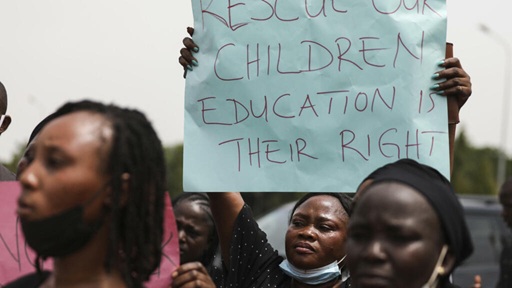
The resurgence of school kidnappings has particularly alarming consequences, extending beyond the immediate trauma suffered by victims and their families.
According to the report, attacks on schools can disrupt education, undermine agricultural activities as parents and communities become afraid to travel or send children to school, and weaken public confidence in the ability of government to protect citizens.
Perhaps more troubling, the report found that paying ransom did not always guarantee the safe return of victims.
In at least six cases, hostages were reportedly killed even after ransom had been paid.
The finding has complicated the difficult choices faced by families of kidnapped victims, many of whom are forced to raise enormous sums of money under extreme pressure in an attempt to save their relatives.
Security experts have therefore called for a strategy that goes beyond military operations and directly targets the financial networks sustaining kidnapping.
The report recommended disrupting the flow of money to criminal organisations while simultaneously addressing the economic conditions that provide a pool of recruits for criminal groups.
Security expert Jackson Ojo described Nigeria as an unsafe territory and criticised what he regarded as inadequate government response to the worsening kidnapping crisis.
He argued that the failure to sufficiently confront kidnappers, terrorists and bandits had allowed kidnapping to evolve into a major revenue-generating criminal enterprise.
Former Federal Capital Territory Commissioner of Police and security consultant Lawrence Alobi also warned that ransom payments were strengthening criminal networks.
According to Alobi, money obtained through kidnapping enables criminals to purchase more weapons, expand their operations and become increasingly emboldened.
He advocated measures to discourage ransom payments, arguing that kidnapping has effectively become a lucrative business because of the enormous sums criminals can extract from victims’ families.
However, he acknowledged the difficult reality confronting families whose relatives are being held captive.
For such families, refusing to pay ransom can mean risking the life of a loved one, creating a painful dilemma between denying criminals financial incentives and attempting to secure the immediate release of a hostage.
The latest figures therefore expose a vicious cycle: kidnappers abduct victims to make money; families raise funds to secure their release; the proceeds can then be used to purchase weapons and finance further criminal operations.
Breaking that cycle will require more than simply asking families not to pay.
Authorities will need to strengthen intelligence gathering, improve rapid-response capabilities, track suspicious financial transactions and dismantle the networks that facilitate ransom collection and weapons procurement.
The scale of the figures also raises questions about the broader security situation facing Nigeria.
With more than 7,800 people reportedly abducted and over 1,100 killed in a single year, kidnapping has moved beyond isolated criminal incidents and become a major national security and economic concern.
For families living in affected communities, the consequences extend beyond ransom payments. Fear of abduction can restrict movement, disrupt businesses, reduce school attendance and discourage investment in vulnerable areas.
The SBM report has consequently provided another stark warning that Nigeria risks entrenching kidnapping as a permanent criminal economy unless the profitability of the trade is decisively disrupted.
As the government continues its security operations across the country, the challenge will be to ensure that criminals no longer view kidnapping as a low-risk, high-reward enterprise — while protecting victims and dismantling the financial structures that allow the cycle of abduction and ransom to continue.


