

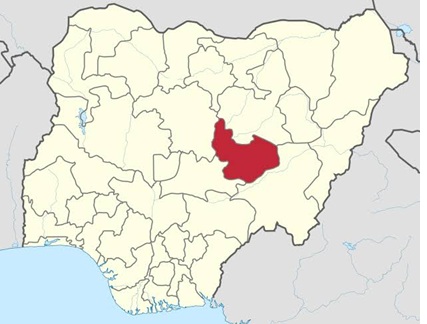
A 13-year-old herder, identified as Abubakar Sadi, has allegedly been killed by security operatives in Dakun community, Riyom Local Government Area of Plateau State.
The incident has sparked concern among residents and renewed questions over the conduct of security personnel operating in communities affected by longstanding tensions between farmers and herders.
According to reports, Sadi was a young herder who was tending livestock in the Dakun area when he allegedly came into contact with security operatives. Details surrounding the circumstances of his death remain unclear, while authorities have yet to provide a comprehensive public account of the incident.
The allegation has generated concern because of the victim’s age and the broader sensitivity of security operations in Plateau State, where communities have endured years of violence linked to farmer-herder disputes, communal tensions and attacks by armed groups.
Residents and community stakeholders are expected to seek clarification from security authorities regarding what happened and the circumstances that led to the teenager’s death.
The alleged killing comes at a time when security agencies are under increasing pressure to protect vulnerable communities while ensuring that their operations comply with established rules of engagement and respect for human rights.
The death of a minor during a security operation, if established, would raise serious questions about the proportionality of the force used and whether appropriate procedures were followed.
However, in the absence of an official investigation or a detailed account from the security agencies involved, the circumstances of Sadi’s death remain allegations and should be treated as such.
Community leaders have called for calm and urged residents not to allow the incident to trigger retaliatory violence.
Plateau State has experienced repeated cycles of violence in which individual incidents can quickly escalate into broader communal confrontations. Security analysts have therefore consistently warned against retaliation and vigilante responses, particularly in areas where trust between communities and security agencies remains fragile.
The incident also highlights the vulnerability of children living in communities affected by conflict. Young people who depend on livestock herding or farming for their livelihoods can find themselves exposed to violence, displacement and security operations.
For many rural families, cattle herding is an important source of income, while farming remains central to the local economy. Competition over land and water, combined with criminality and communal grievances, has frequently complicated relations between different groups.
The alleged killing of Sadi therefore comes against a much wider backdrop of insecurity and mistrust.
Human rights organisations and community representatives are likely to demand an independent and transparent investigation to establish what happened, identify those responsible if wrongdoing is confirmed, and prevent similar incidents in the future.
Such an investigation would also be important for maintaining public confidence in security institutions.
Where security personnel are accused of using excessive force, authorities must ensure that complaints are properly investigated rather than allowing allegations to deepen mistrust between security agencies and affected communities.
At the same time, authorities must ensure that any investigation does not interfere with legitimate security operations or expose personnel to unjustified accusations before the facts are established.
The immediate priority for community leaders and security agencies is therefore to prevent the incident from becoming a trigger for further violence.
Residents have been urged to remain calm and allow the appropriate authorities to investigate the circumstances surrounding the teenager’s death.
As attention turns to the incident in Dakun, the case is likely to renew broader calls for accountability, improved relations between security agencies and local communities, and stronger protection for civilians—including children—in Nigeria’s conflict-affected areas.


