

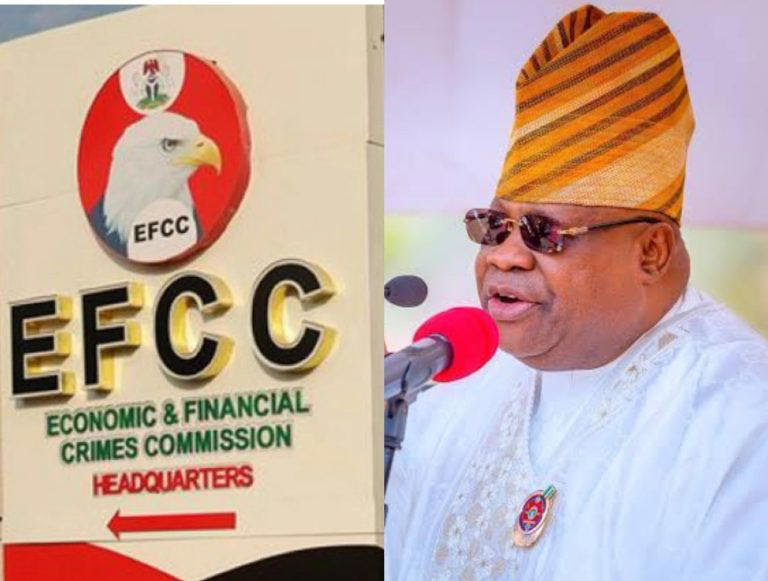
Following the State House announcement ordering the EFCC to vacate the court order freezing Osun State Government accounts ahead of the governorship election, Nigerians have continued to debate the implications of the President’s intervention on the independence of anti-corruption institutions and the credibility of the electoral process.
One commentator, identified as E.M.U., argued that the EFCC Chairman, Ola Olukoyede, should resign if he considers himself an honourable public servant. According to the commentator, the President’s public directive effectively undermined the anti-graft agency’s leadership, leaving the chairman with diminished moral authority to continue in office. The view maintains that resigning would help preserve the integrity and credibility of the EFCC as an institution.
Another analyst, identified as F.A., described the President’s intervention as politically strategic, saying it helped avert a situation that could have undermined public confidence in the Osun governorship election by preventing disruption to the operations of a constitutionally recognised state government.
However, the analyst also questioned the institutional implications of the directive, noting that while the Presidency maintained it was not interfering with the EFCC, the public order appeared to demonstrate executive influence over the agency. According to the analysis, the action may have preserved the EFCC’s investigative powers while removing an enforcement measure considered politically sensitive, but it also reinforces concerns that the commission’s operational independence remains subject to executive authority.
A further reaction by commentator E.O.E. challenged suggestions that the President was unaware of the account freeze before ordering its reversal. The commentator argued that, as Nigeria’s Chief Executive, ultimate responsibility rests with the President for actions taken by federal agencies under his administration. The opinion questioned why no disciplinary action had reportedly been taken against the EFCC leadership if the account freeze had indeed occurred without presidential knowledge or approval.
The differing views reflect the growing national debate over the balance between preserving electoral integrity, respecting the operational independence of anti-corruption agencies, and ensuring executive accountability. As political activities intensify ahead of the Osun governorship election, analysts say the Presidency’s intervention could become a significant constitutional and political reference point in future disputes involving federal institutions and state governments.
The opinions expressed above are those of the individual commentators and do not represent independently verified findings.


