

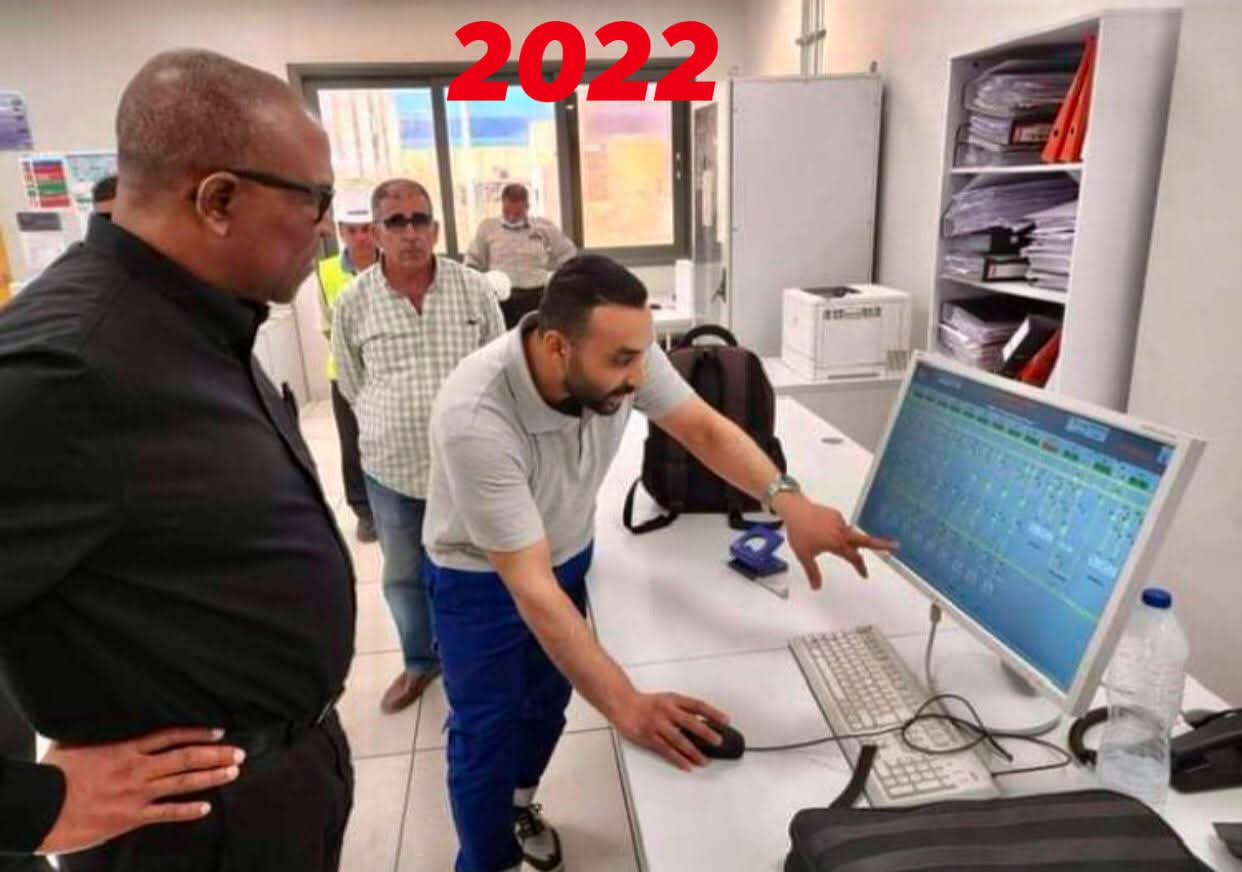
Nigeria government reaction to Peter Obi’s visit to Egypt in 2022 to understudy how Egypt fixed its power generation crisis is a sobering indictment of our political culture. Instead of serious national reflection, the moment was met in some quarters with mockery. In a country trapped in perennial grid collapse, such ridicule is not just unserious—it is dangerous.
Electricity remains the backbone of any modern economy, yet Nigeria’s power sector has become a symbol of managed failure. Homes are plunged into darkness without warning, hospitals improvise, businesses bleed costs into generators, and students study by candlelight. Billions have been spent. Committees have been set up. Promises have been recycled. Still, the grid collapses. Repeatedly. Predictably. With no accountability.

Against this grim backdrop, learning from a country that once faced similar challenges but chose reform over excuses should be applauded. Egypt treated electricity as a strategic national priority, invested deliberately, fixed transmission bottlenecks, and stabilized generation. Seeking to understand how this was done is not weakness—it is leadership. Mocking inquiry while defending failure reveals a mindset that has grown comfortable in darkness.
The outrage directed at Obi’s visit exposes a deeper problem: in Nigeria, curiosity is politicized, competence is threatening, and examples that prove improvement is possible are unwelcome. Those who benefit from chaos fear comparison. Those who have normalized dysfunction resent reminders that better outcomes exist—on this continent, no less.
An editorial duty compels us to state the obvious: sarcasm does not generate megawatts. Political loyalty does not stabilize the grid. Ridicule cannot power factories or save lives in hospitals during outages. What Nigeria needs is seriousness—leaders willing to learn, adapt, and implement reforms with urgency and transparency.
The real question is not why a political leader went to Egypt to learn.
It is why those presiding over failure feel safer mocking solutions than confronting their own record.
Until Nigeria stops defending darkness and starts demanding light, the grid will keep collapsing—and the country will keep paying the price.


