

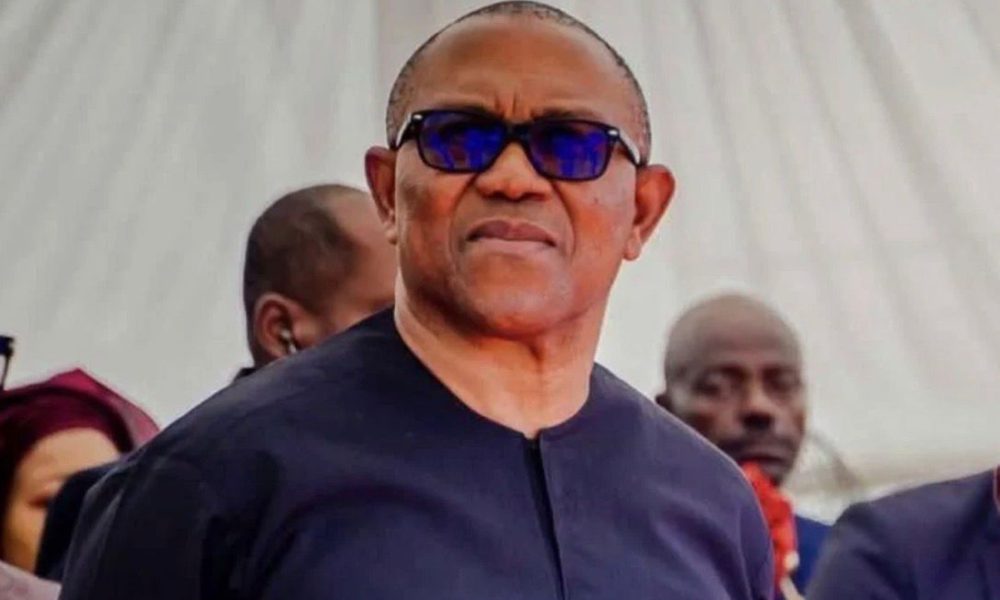
In a country where hunger has become a daily language and survival a full-time job, hope is no longer an abstract idea. It is currency. It is food. It is breath. And for millions of Nigerians navigating empty pots and broken promises, that hope has found a human face in Peter Obi.
Across markets, campuses, motor parks, and crowded rooms where candles replace electricity, his name travels faster than policy documents ever did. Not because he promised miracles—but because he spoke the truth Nigerians already knew but had never heard from power: that poverty is not destiny, and hunger is not normal.
For the starving masses, hope is not loud rhetoric or sprayed naira at rallies. Hope is credibility. Obi’s appeal is rooted in restraint in a political culture addicted to excess. In a land ruled by convoys and opulence, he arrived talking about cutting costs, blocking leakages, and investing in people. To the hungry, that sounded revolutionary.
There is something deeply symbolic about a man whose politics rejects waste in a nation wasted by politics. Every time Obi speaks about production over consumption, education over entitlement, and accountability over arrogance, he is speaking directly to those who have been told—year after year—that suffering is patriotism.
The starving masses are not confused about economics. They know what bad governance tastes like. They know inflation when garri becomes luxury. They know unemployment when degrees gather dust. What they have lacked is a leader who looks them in the eye and says, “Your pain is not invisible—and it is not acceptable.” Peter Obi’s hope does not pull because it is perfect. It pulls because it is believable.
In a political space crowded with men who explain away failure, Obi insists on measurement. Where others boast of spending, he asks what was achieved. Where others campaign on ethnicity and fear, he speaks the language of numbers, systems, and results. For the hungry, that discipline feels like rescue. Hope, after all, is strongest when it is practical.
The queues of young people who volunteer without pay, the traders who close shops to attend town halls, the civil servants who whisper his name at work—these are not people chasing fantasy. These are Nigerians chasing dignity. Obi represents a break from the culture that normalized looting while preaching patience to the poor.
That is why the starving masses pull toward him—not because he feeds them today, but because they believe he will stop those who keep stealing tomorrow. In the end, hunger sharpens political memory. It strips propaganda bare. It leaves only one question: Who understands our pain, and who profits from it?
For millions, Peter Obi stands as the answer to the first—and the indictment of the second. And that is why, in a land weighed down by empty stomachs and broken trust, hope still moves—and it moves in his direction.
A new Nigeria is POssible 🤝