

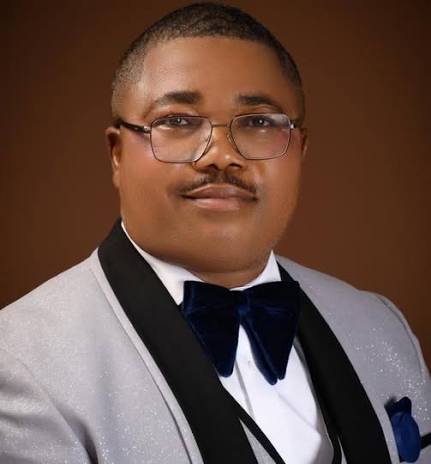
Ifeanyi Ejiofor, a lawyer representing the Indigenous People of Biafra (IPOB), has insisted that the group has reaffirmed his position as its legal counsel, dismissing reports or claims suggesting uncertainty over his role.
Ejiofor stated that “IPOB reaffirmed me as its lawyer,” maintaining that he remains the authorised legal representative of the group in matters involving its members and related legal proceedings. He emphasized that his relationship with IPOB is based on established legal representation and continues to stand despite public discussions surrounding the organisation.
The lawyer’s statement comes amid ongoing attention over the activities of IPOB and the various legal challenges involving its leadership and members. Ejiofor said his focus remains on providing legal support and ensuring that the rights of those he represents are protected within the framework of the law.
The development is significant because legal representation plays an important role in cases involving organisations and individuals facing government actions or court proceedings. Questions over who officially represents a group can affect legal strategies, communication with authorities, and the handling of ongoing matters before the courts.
Ejiofor has been involved in several legal matters connected to IPOB, including cases involving members of the organisation. He has consistently maintained that his role is to provide legal assistance while operating within Nigeria’s judicial system.
The Indigenous People of Biafra, founded by Nnamdi Kanu, has remained a subject of national and international attention due to its campaign for the self-determination of Biafra and its clashes with Nigerian authorities. The Nigerian government has designated IPOB as a proscribed organisation, a position the group has challenged while insisting that its activities are focused on advocating for the interests of the Igbo people.
The controversy surrounding IPOB continues to generate discussions on issues including constitutional rights, security, regional interests, and the role of legal advocacy in addressing political disputes. Ejiofor’s latest comments add to the ongoing conversation about the organisation’s legal representation and its engagements within Nigeria’s justice system.


