

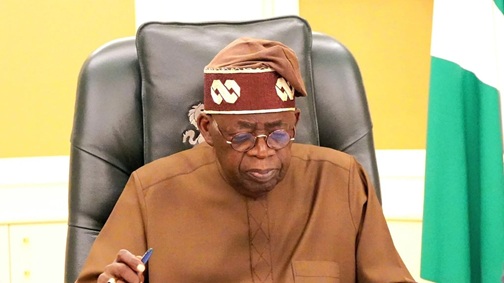
The Presidency has defended President Bola Ahmed Tinubu’s economic reform agenda, maintaining that the administration’s difficult policy decisions were necessary to address longstanding structural challenges facing Nigeria’s economy.
Responding to growing public concerns over the impact of the reforms, presidential officials said the government remains focused on implementing policies designed to achieve long-term economic stability, even if they involve short-term hardship.
Using the phrase “applause can wait,” the Presidency argued that meaningful reforms often require politically difficult decisions whose benefits may not be immediately visible but are intended to lay the foundation for sustainable national development.
According to government officials, measures such as fuel subsidy removal, foreign exchange reforms and fiscal restructuring were adopted to correct economic distortions, improve public finances and encourage investment.
The administration maintains that these policies are expected to strengthen macroeconomic stability, enhance investor confidence and create conditions for long-term growth and job creation.
However, the reforms have attracted criticism from opposition parties, labour unions, civil society organisations and many Nigerians, who argue that the policies have contributed to rising inflation, increased transportation costs, higher food prices and a decline in household purchasing power.
Critics have called on the government to implement stronger social protection measures and accelerate interventions aimed at cushioning the impact of the reforms on vulnerable citizens.
Economic analysts acknowledge that structural reforms often involve short-term economic adjustments but stress that their long-term success depends on effective implementation, fiscal discipline and complementary policies that support businesses and protect low-income households.
They also note that public confidence in reform programmes is strengthened when governments clearly communicate policy objectives, demonstrate transparency and ensure that economic gains are broadly shared.
The Presidency reiterated its commitment to expanding social investment programmes, improving infrastructure, attracting domestic and foreign investment and creating opportunities for economic inclusion.
Officials expressed confidence that, over time, the reforms would deliver improved public finances, stronger institutions and a more resilient economy capable of supporting sustainable development.
The administration also appealed to Nigerians to remain patient, assuring citizens that government remains committed to addressing immediate economic challenges while pursuing long-term national prosperity.
Observers say the debate over the reforms is likely to remain central to Nigeria’s political and economic discourse as the country approaches the 2027 general elections, with supporters highlighting their long-term potential and critics questioning their immediate impact on living standards.
As discussions continue, many stakeholders agree that sustained economic recovery will require consistent policy implementation, institutional reforms and targeted support for citizens most affected by the ongoing economic transition.


