

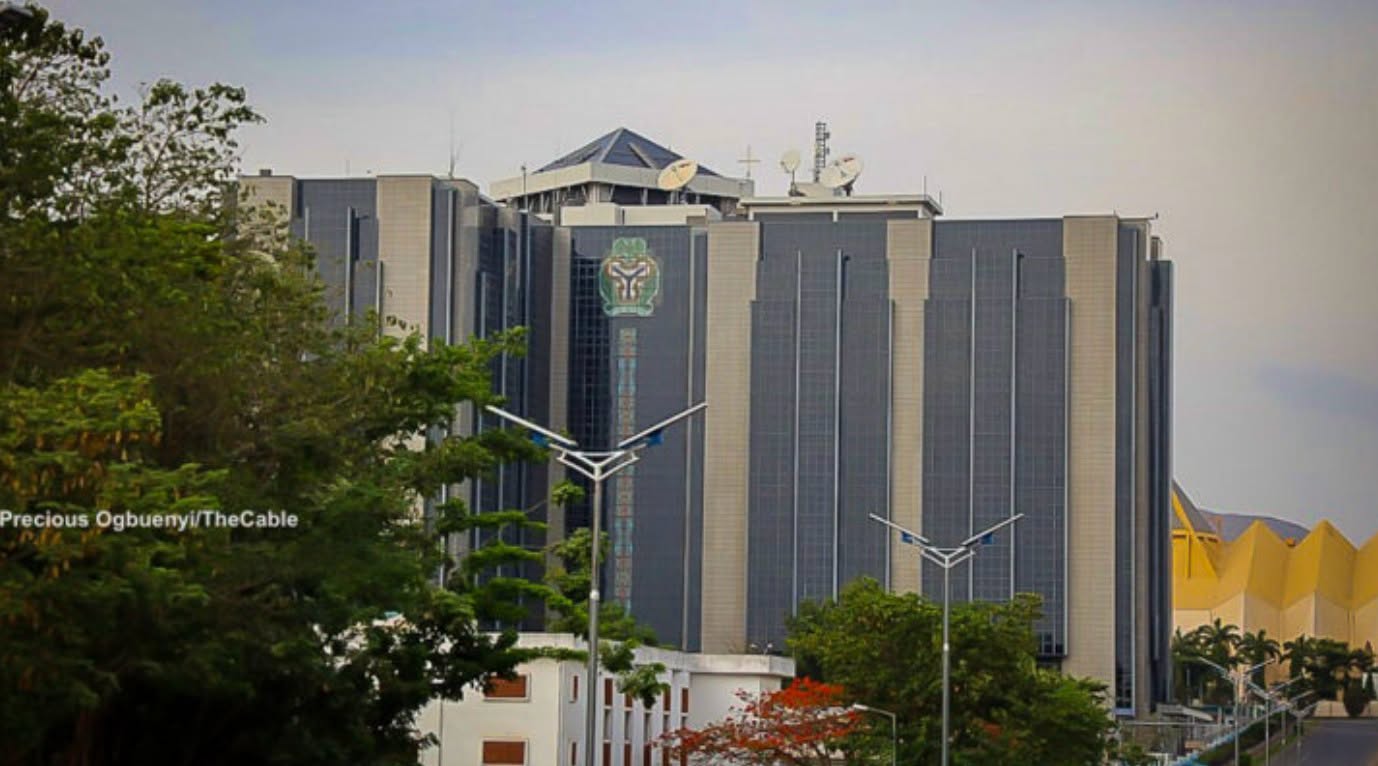
The Central Bank of Nigeria (CBN) has confirmed to the House of Representatives that the Office of the Accountant-General of the Federation (OAGF) directed the opening of bank accounts linked to an alleged “phantom” local government council, as lawmakers intensified their investigation into the matter.
The disclosure was made during an ongoing probe by the House of Representatives, where officials of the apex bank provided information on the status of the accounts under scrutiny. According to the CBN, the accounts were opened following a mandate from the Accountant-General’s office, although the bank stated that the accounts have remained inactive.
The revelation has added a new dimension to the legislative inquiry, which seeks to establish the circumstances surrounding the creation and operation of the accounts, as well as determine whether public financial regulations were followed.
The investigation is significant because it raises concerns about transparency, accountability and financial oversight within Nigeria’s public sector. Lawmakers are examining whether the alleged council legitimately existed and whether the accounts were opened in compliance with applicable laws and financial procedures.
During the hearing, the CBN reportedly informed the committee that no financial transactions had been recorded on the accounts, indicating that they remained dormant. The clarification may become an important aspect of the investigation as lawmakers continue to gather evidence and hear from relevant government agencies.
The House committee is expected to invite additional stakeholders to provide explanations as part of efforts to determine whether administrative lapses or other irregularities occurred during the account-opening process.
The Office of the Accountant-General has yet to publicly respond to the specific issues raised during the hearing. The investigation remains ongoing, and no final conclusions have been reached regarding liability or wrongdoing.
The probe reflects the National Assembly’s constitutional oversight role in monitoring public institutions and ensuring accountability in the management of government finances. Legislative investigations of this nature are intended to strengthen transparency and improve confidence in public financial administration.


